
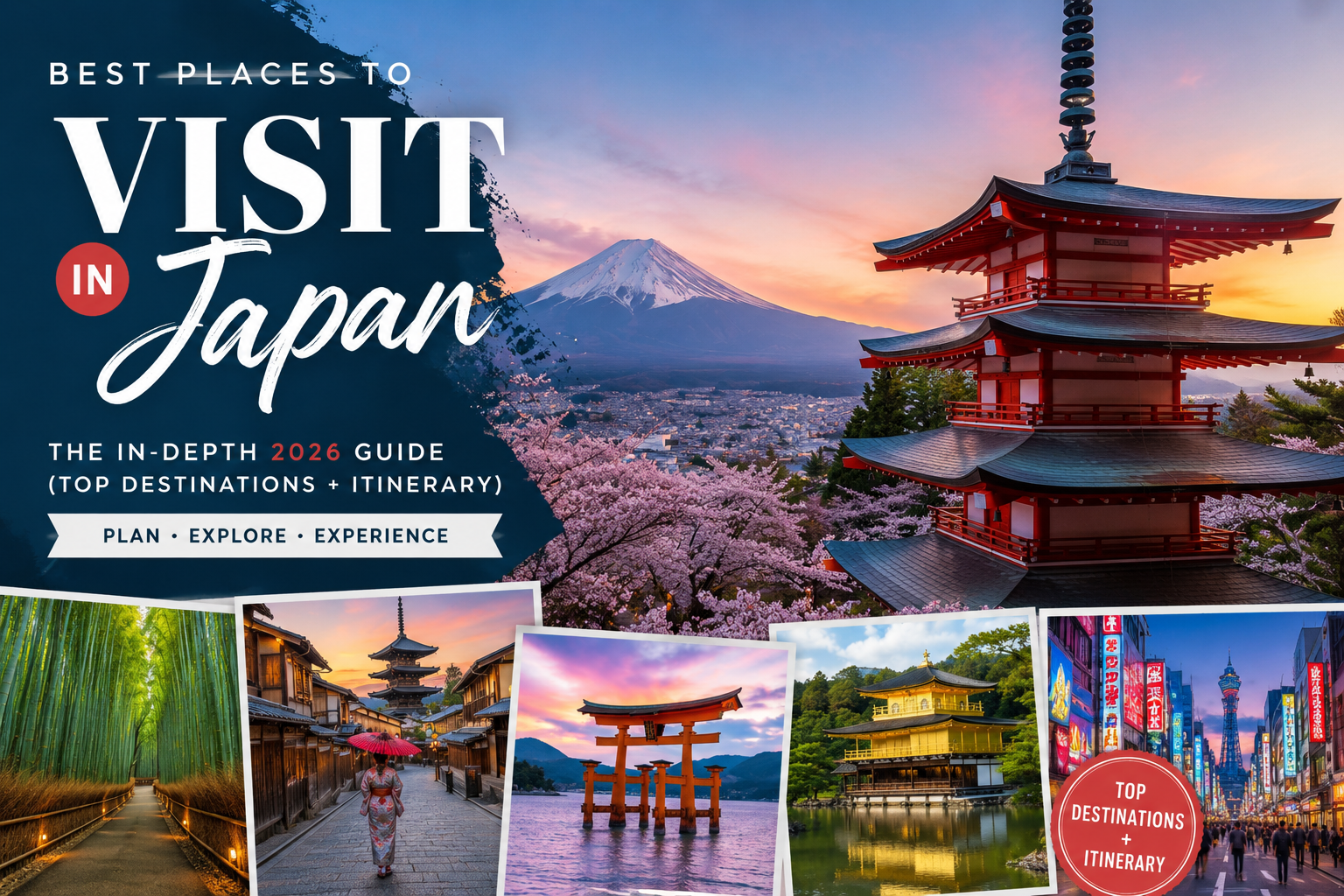
Japan is a country of deliberate contrasts, and understanding those contrasts is the key to a great trip. In a single day you can move from a silent moss garden that has looked the same for 600 years to a neon intersection crossed by three thousand people at once. That range is exactly why Japan tops so many bucket lists — but it's also why a poorly planned trip leaves people exhausted, over-touristed, and wondering what all the fuss was about.
The mistake most first-timers make is treating Japan like a checklist of famous photos. The better approach is to understand why each destination matters — what it uniquely offers that the others don't — so you can build an itinerary that flows rather than sprints. This guide covers the best places to visit in Japan, the reasoning behind each, how long to spend, and a complete, road-tested itinerary to tie them together.
A note on getting around, because it shapes everything: Japan's rail network is the best in the world, and the Shinkansen (bullet train) connects the major cities at 300 km/h. Whether a Japan Rail Pass saves you money depends entirely on your route, so map your cities first, then price the pass against individual tickets before buying.
1. Tokyo — The Electric Capital (Spend 3–4 Days)
Why it matters: Tokyo isn't one city — it's a collection of distinct districts, each with its own personality, and that variety is the point. It's where you feel Japan's contemporary energy at full volume while still stumbling into pockets of deep tradition.
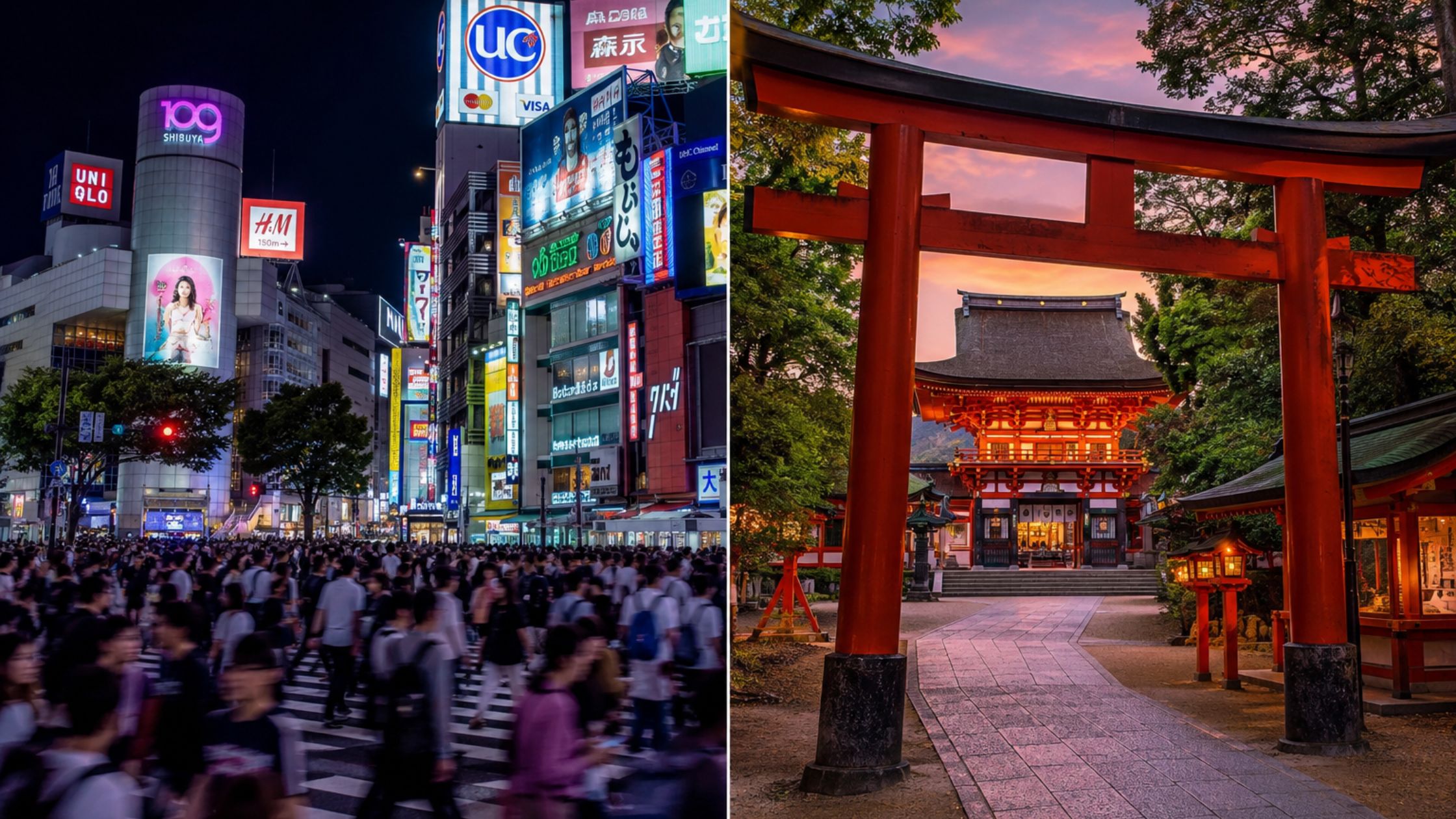
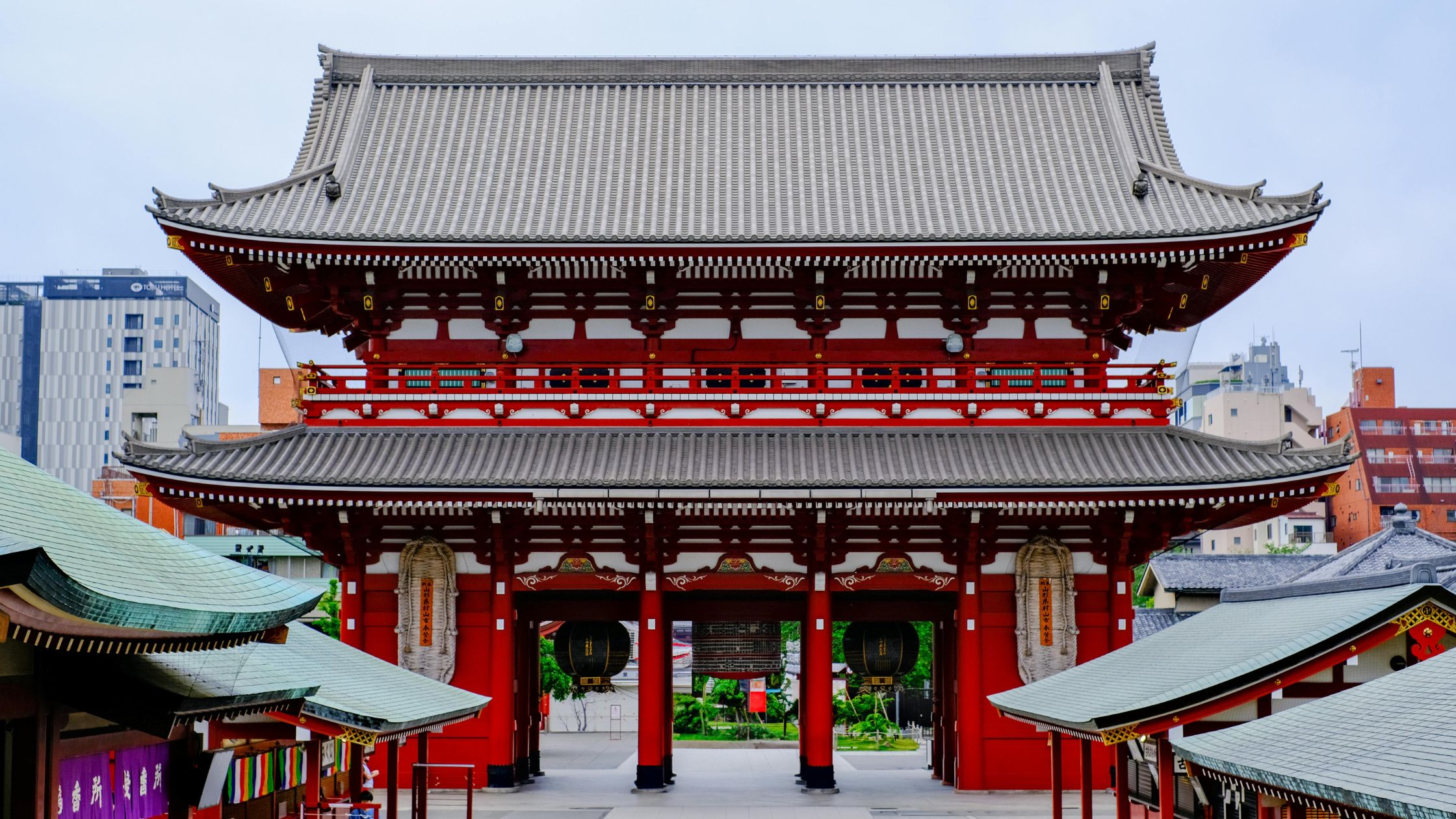
Base yourself for the modern side in Shibuya and Shinjuku, where you'll find the famous scramble crossing, towering neon, endless shopping, and the city's best nightlife and izakaya (Japanese pubs). Then balance it with the traditional heart of the city in Asakusa, home to Senso-ji, Tokyo's oldest temple, approached through the lantern-lit Nakamise shopping street. Add the tranquil gardens of the Imperial Palace, the youth-culture spectacle of Harajuku, and the upscale calm of Ginza, and you understand why Tokyo needs three or four days minimum.
Insider tip: Tokyo is enormous and its subway is complex. Cluster your days by area rather than crisscrossing the city — one day west (Shibuya/Shinjuku/Harajuku), one day east (Asakusa/Ueno), and one for day trips.
2. Kyoto — The Cultural Heart (Spend 2–3 Days)
Why it matters: Kyoto was Japan's imperial capital for over a thousand years, and it escaped the WWII bombing that flattened much of the country. The result is a living museum of over 1,600 temples and 400 shrines — this is where you go to understand old Japan.
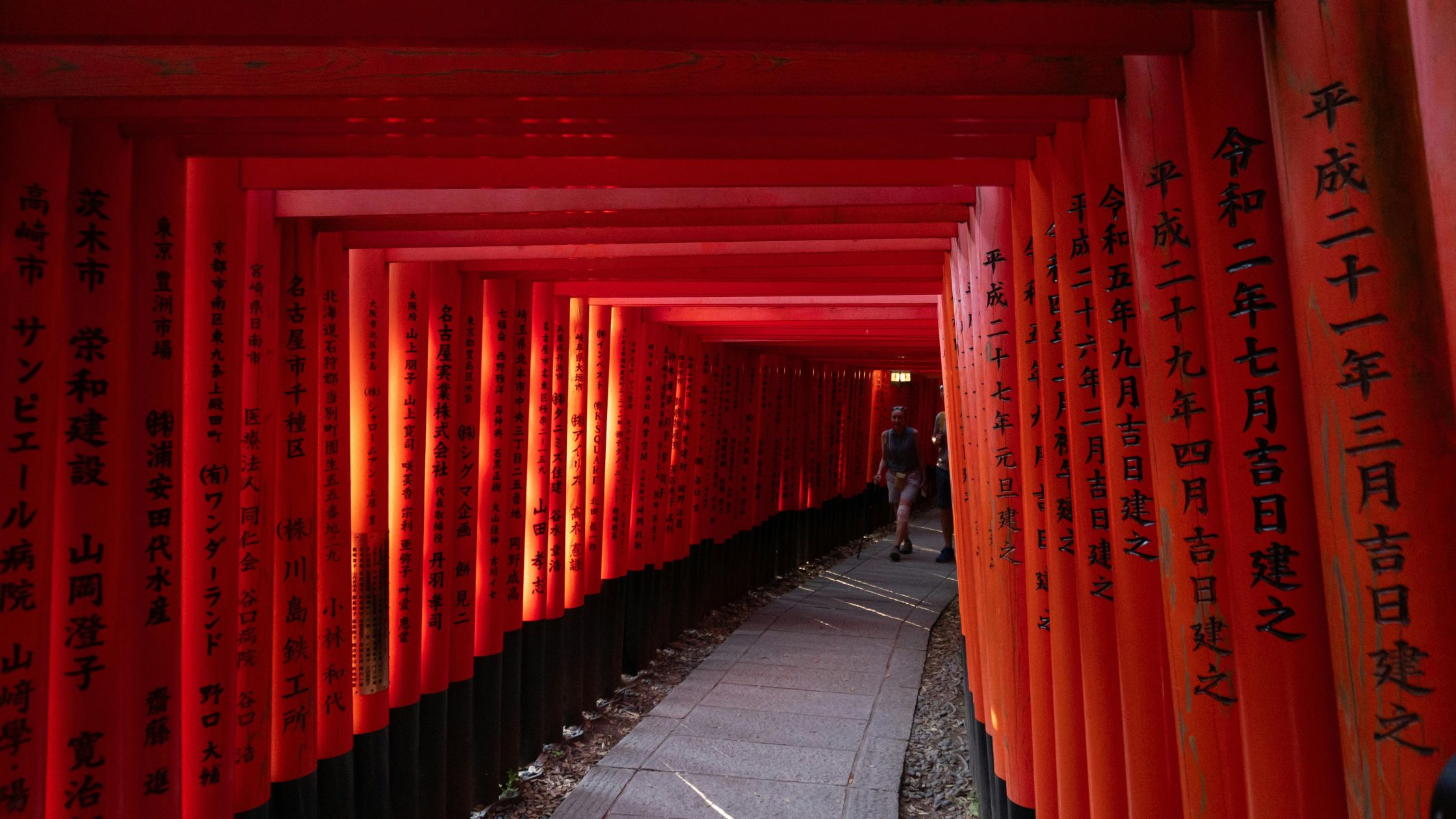
The must-sees each offer something distinct: Kinkaku-ji, the Golden Pavilion, mirrored in its reflecting pond; Fushimi Inari, where thousands of vermilion torii gates snake up a forested mountainside (go at sunrise to have it nearly to yourself); the Arashiyama Bamboo Grove, an ethereal corridor of towering green; and Gion, the historic geisha district, best explored on foot in the early evening.
Insider tip: Kyoto's sights are spread out and the buses get packed. Rent a bike for the flatter central and eastern areas — it's often faster and far more pleasant than waiting for crowded buses.
3. Osaka — Japan's Kitchen (Spend 1–2 Days)
Why it matters: If Kyoto is refined and reserved, Osaka is loud, funny, and hungry. Locals have a saying — kuidaore, "eat until you drop" — and Osaka is where Japanese food culture lets its hair down.
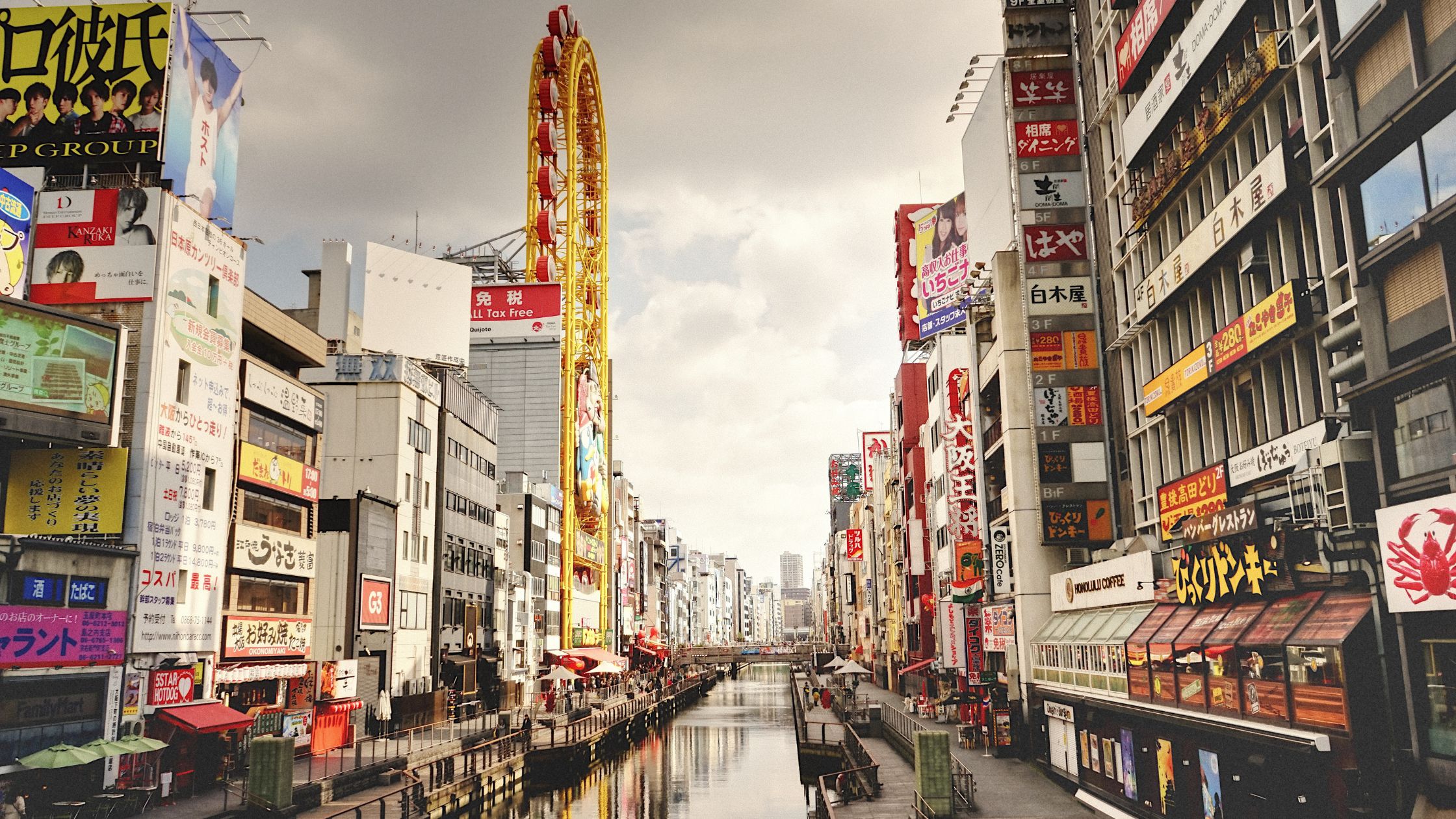
The neon canals of Dotonbori are the beating heart, lined with street stalls serving takoyaki (octopus balls) and okonomiyaki (savory pancakes) under giant animated signs. Add Osaka Castle for history and, if you're traveling with kids, Universal Studios Japan. Osaka also makes an ideal base for exploring the wider Kansai region, since Kyoto and Nara are both short train rides away.
4. Mount Fuji & Hakone — The Iconic Peak (Spend 1–2 Days)
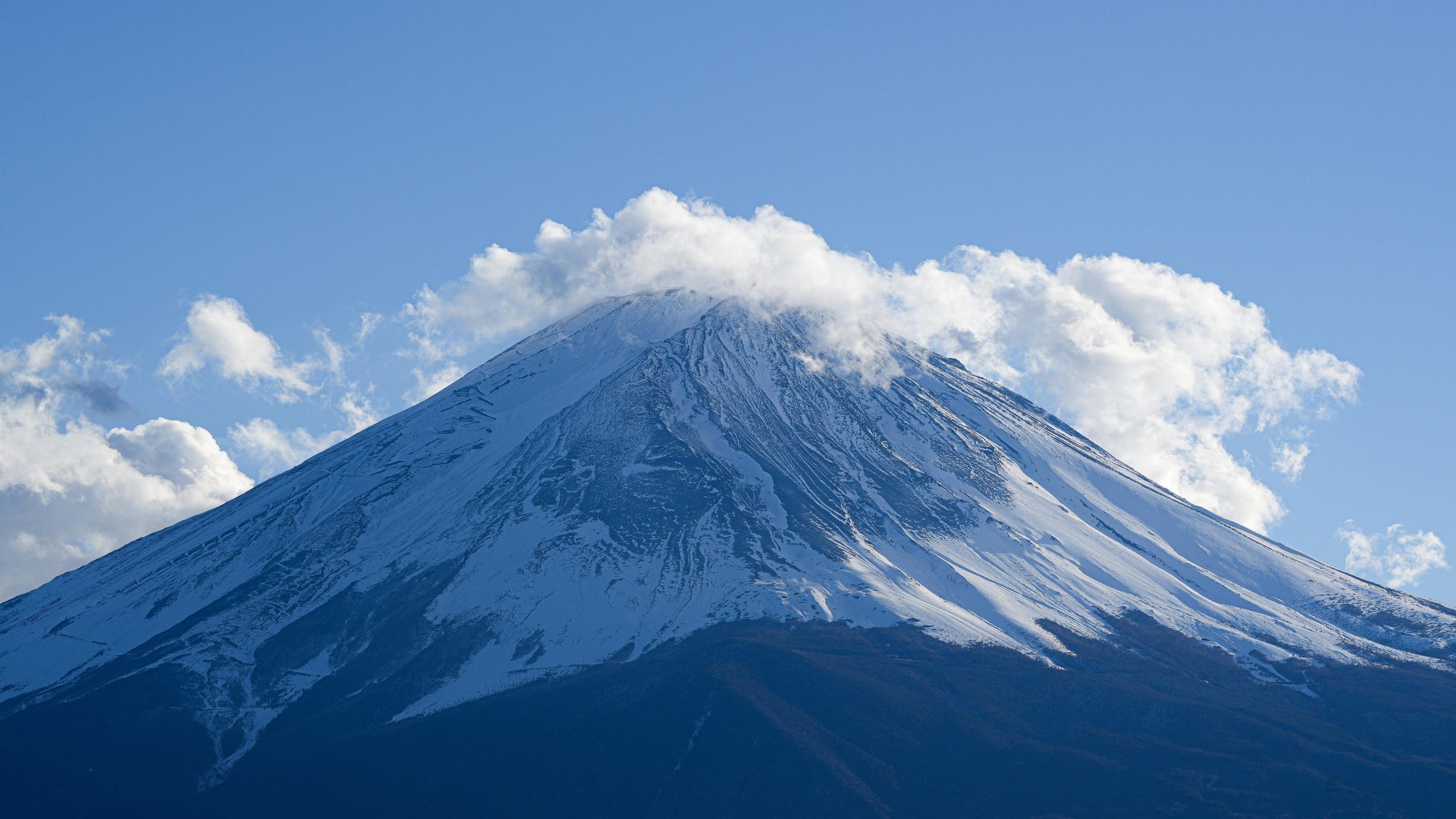
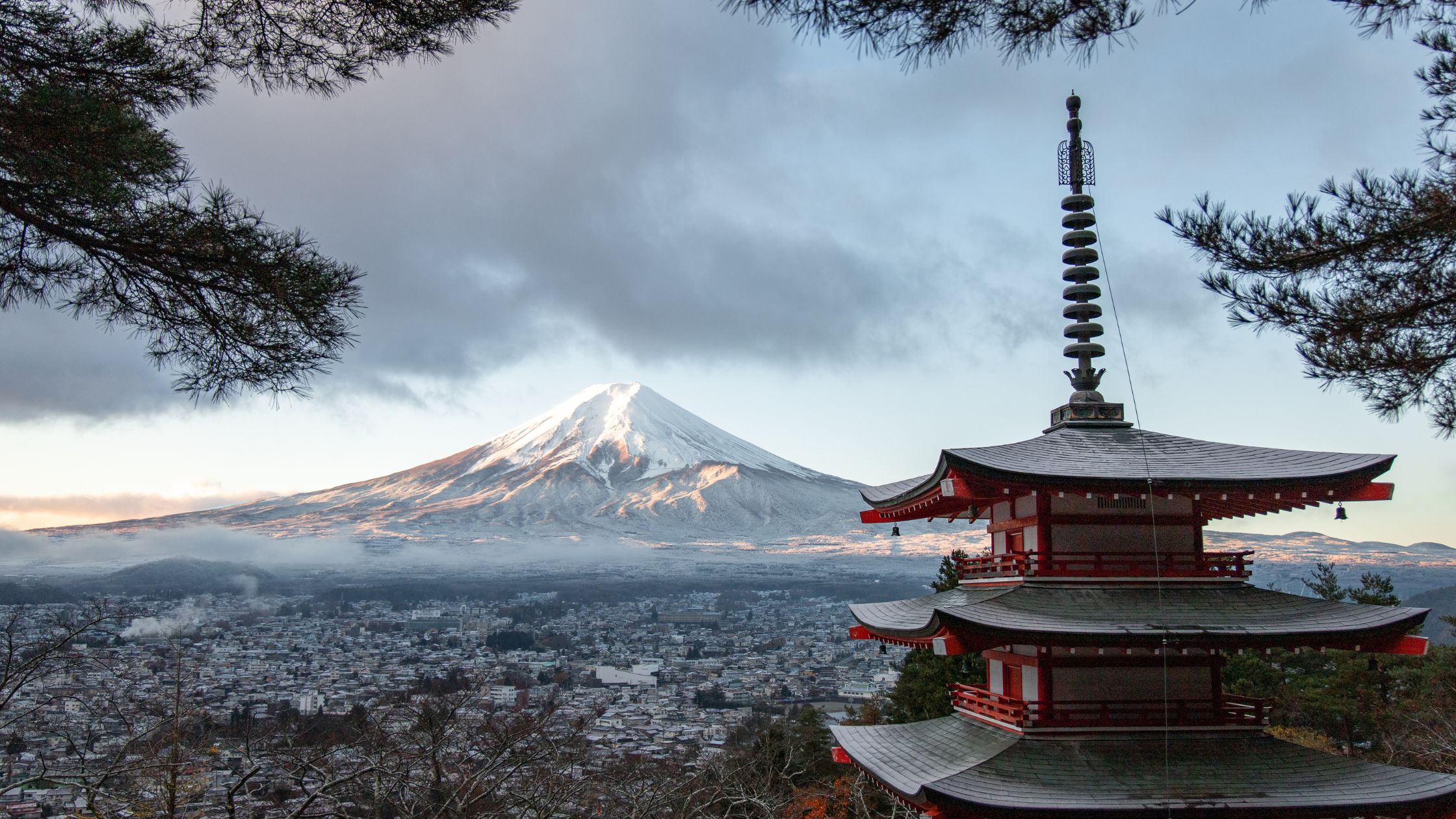
Why it matters: Mount Fuji is Japan's sacred symbol, and seeing it in person is a genuine bucket-list moment — but the mountain is famously shy, often hidden by cloud. The why of going to the right spot is therefore crucial: you want a base with multiple viewpoints and something to do if the peak stays hidden.
The Fuji Five Lakes region (especially Lake Kawaguchiko) offers the classic reflected-Fuji photo, while the hot-spring town of Hakone lets you soak in an outdoor onsen with a mountain view, ride a scenic ropeway over volcanic valleys, and cruise Lake Ashi. Both are easy day trips or overnight stops from Tokyo.
5. Nara — Ancient Temples and Friendly Deer (Day Trip)
Why it matters: Nara was Japan's first permanent capital, and it packs an astonishing amount of history into a compact, walkable park — making it the perfect day trip from Kyoto or Osaka (both under an hour by train).
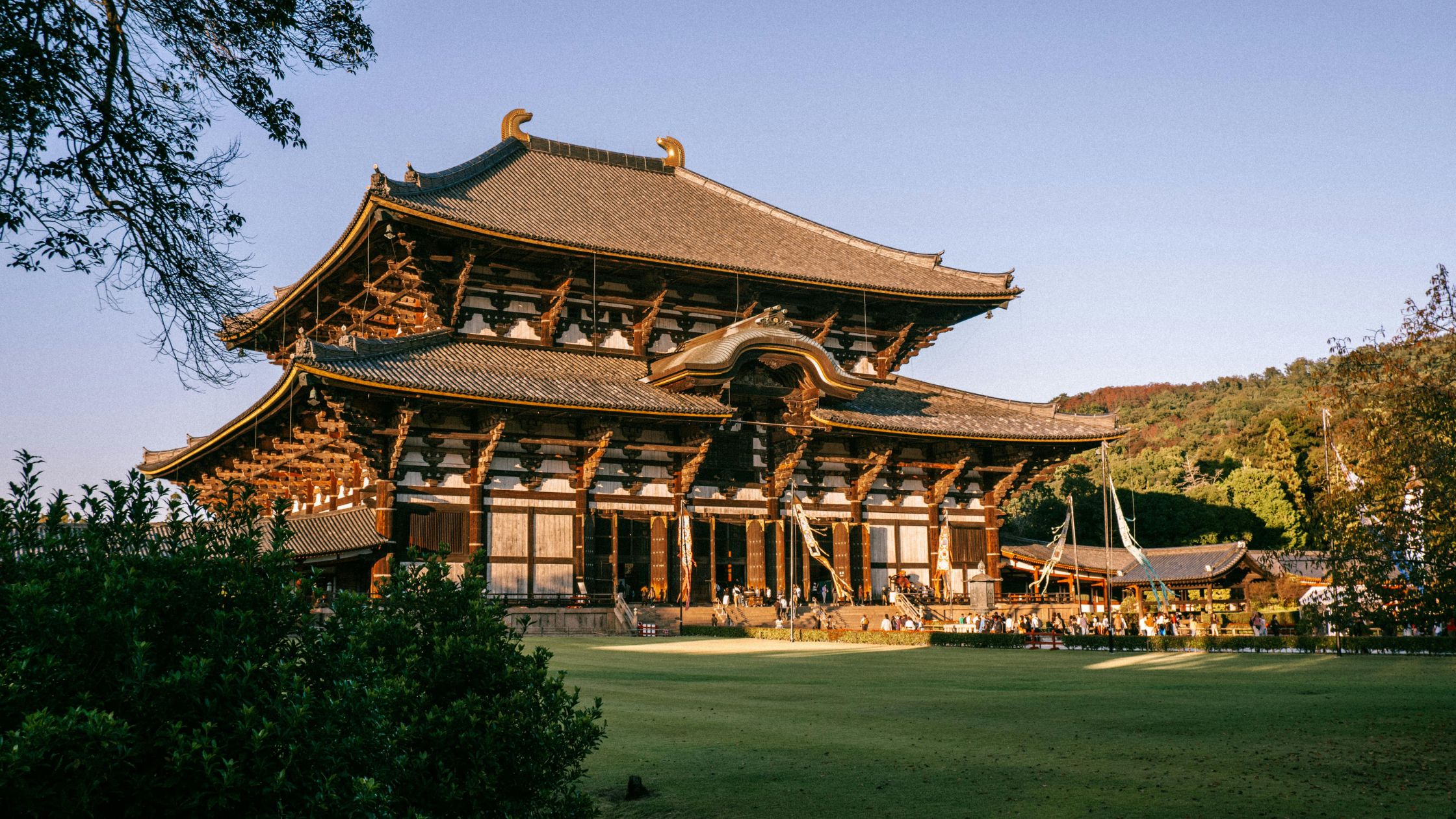
The headline sight is Todai-ji, housing a 15-meter bronze Great Buddha inside one of the world's largest wooden buildings. Surrounding it, hundreds of tame sika deer roam freely, bowing for crackers sold by vendors — a genuinely charming, only-in-Nara experience that kids and adults both love.
6. Hiroshima & Miyajima — History and Beauty (Spend 1 Day)
Why it matters: Hiroshima is one of the most moving places you can visit anywhere, and pairing it with the beauty of nearby Miyajima creates a day of powerful contrast.
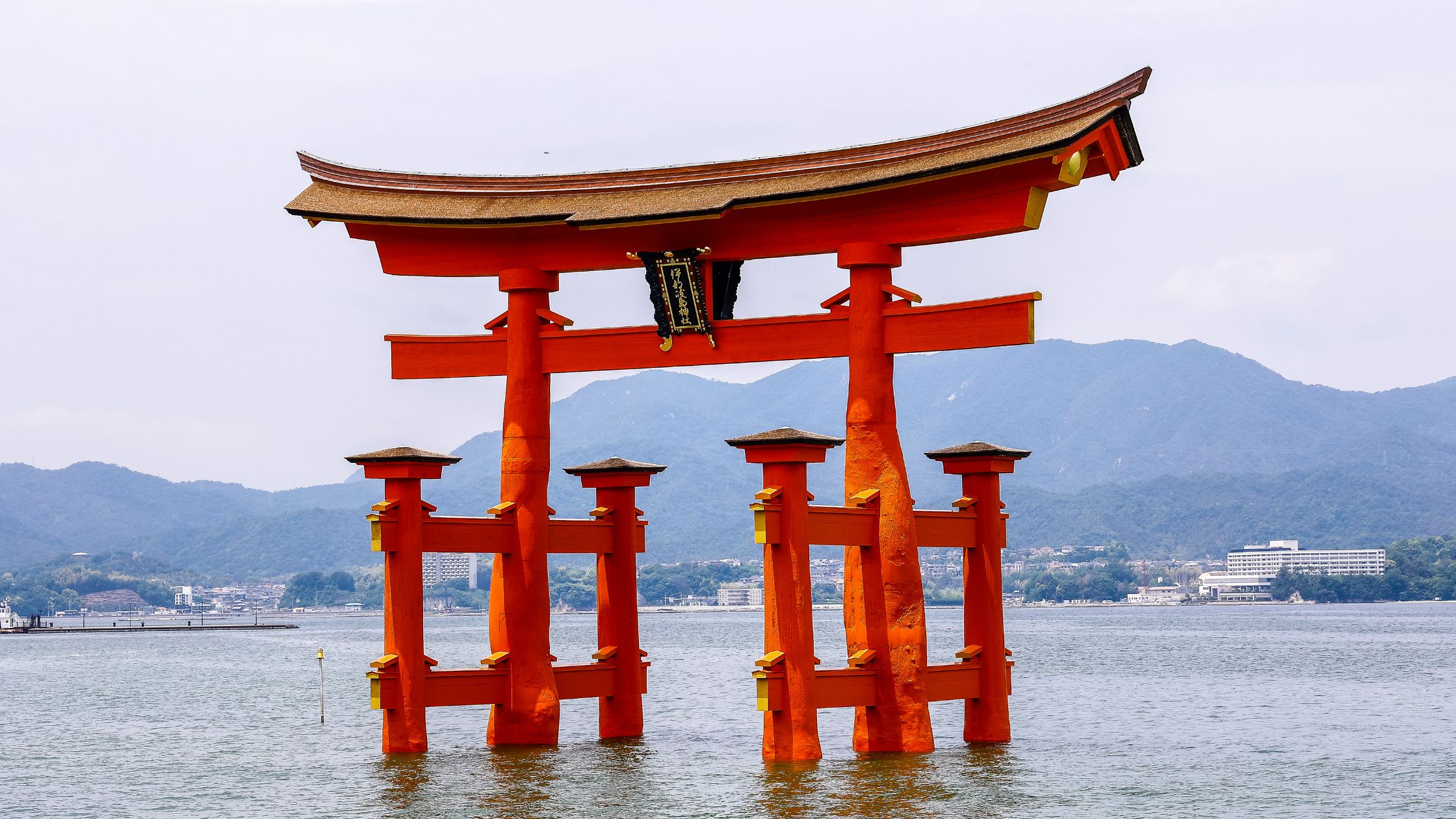
The Peace Memorial Park and Museum confront the reality of the 1945 atomic bombing with dignity and depth — a sobering, essential experience. Then a short ferry ride away, Miyajima Island offers the famous "floating" torii gate of Itsukushima Shrine, which appears to hover on the water at high tide. The shift from solemn reflection to serene beauty in a single day stays with most visitors long after they leave.
7. Hokkaido & the Japanese Alps — Nature and Tradition (Add 2–4 Days)
Why it matters: Beyond the famous city triangle, Japan's wilder side offers a completely different experience — and it's what separates a good Japan trip from a great one if you have extra time.
Hokkaido, the northern island, is Japan's outdoor playground: world-renowned powder skiing in winter (Niseko is legendary), lavender fields and cool hiking in summer. In the Japanese Alps, the UNESCO-listed village of Shirakawa-go preserves steep thatched-roof farmhouses that look their most magical blanketed in winter snow, while nearby Takayama offers a beautifully preserved old town and morning markets.
When to Visit Japan (And Why It Changes the Trip)
- Spring (late March–April): Cherry blossoms and mild weather — the most beautiful season, but also the busiest and priciest. Book months ahead.
- Check Full Guide - Best Time to Visit Japan: Month-by-Month Guide (2026)
- Autumn (late October–November): Fiery foliage, crisp dry air, and slightly easier crowds than spring. Many travelers' favorite season.
- Winter (December–February): Powder skiing in the north, snow-dusted temples, and steaming onsen. Cold but atmospheric, with lower prices outside the ski resorts and New Year.
- Summer (June–August): Hot, humid, and the rainy season hits in June — but it's festival season (matsuri) and the only time for high-altitude hiking. The least comfortable for city sightseeing.
A Complete 10-Day Japan Itinerary for First-Timers
This route minimizes backtracking and balances big-city energy with cultural depth and nature.
- Days 1–3 — Tokyo: City exploration plus one day trip (Nikko's shrines or coastal Kamakura).
- Day 4 — Hakone / Mount Fuji: Onsen, ropeway, and Fuji views en route west.
- Days 5–7 — Kyoto: Temples, Fushimi Inari at sunrise, Arashiyama, and an evening in Gion.
- Day 8 — Nara + Osaka: Morning with the deer and Great Buddha in Nara, evening street food in Dotonbori.
- Day 9 — Hiroshima & Miyajima: Peace Park in the morning, the floating torii by afternoon.
- Day 10 — Return and departure: Shinkansen back toward your departure airport, with any last shopping in Tokyo or Osaka.
Extend to 14 days by adding Hokkaido (in ski or lavender season) or the Japanese Alps (Takayama and Shirakawa-go).
Check Full Guide - 10-Day Japan Itinerary for First-Timers (2026)Practical Tips That Make a Japan Trip Smoother
- Get an IC card (Suica, Pasmo, or ICOCA) on arrival — tap-and-go for trains, buses, and even convenience stores.
- Carry some cash. Japan is modernizing fast, but many smaller restaurants, temples, and shops still prefer cash.
- Convenience stores are your friend. 7-Eleven, Lawson, and FamilyMart sell genuinely good, cheap meals and are open 24/7 — a budget traveler's secret weapon.
- Learn a few phrases. A little Japanese and a lot of politeness go a long way; bowing and quiet public behavior are the norm.
- Reserve Shinkansen seats during peak seasons, and pack light — you'll be hauling bags up station stairs.
Frequently Asked Questions
How many days do you need in Japan? Ten to fourteen days is ideal for a first trip. That's enough to properly experience Tokyo, Kyoto, and Osaka, with day trips to Mount Fuji, Nara, and Hiroshima, without feeling rushed.
What is the best time to visit Japan? Spring (cherry blossoms) and autumn (fall foliage) are the most scenic and comfortable — and correspondingly the busiest and priciest. Winter is excellent for skiing and quieter temples; summer is hot, humid, and festival-filled.
Is Japan expensive to travel? It's moderate to high but offers strong value. Budget travelers manage on around $70–100 per day (excluding flights) using convenience-store meals, business hotels, and an IC transit card, while a Japan Rail Pass can cut long-distance transport costs if your route justifies it.
Do people speak English in Japan? English signage is common in major cities and on trains, and translation apps bridge most gaps. Outside the big cities, English is limited, so a few basic Japanese phrases and patience go a long way.
Final Thoughts
The best places to visit in Japan aren't just a list of landmarks — they're a sequence of contrasts, from Tokyo's neon energy to Kyoto's ancient calm, Osaka's street-food joy, and the quiet grandeur of Fuji, Nara, and Hiroshima. Understand why each one earns its spot, plan a route that flows rather than sprints, and Japan will deliver one of the richest, most rewarding trips of your life.