

Quick Answer
Brazil is open to most travellers, but the rules changed recently. Since April 2025, US, Canadian, and Australian visitors need an eVisa, while UK and most EU citizens stay visa-free for up to 90 days. The best months to visit are usually April–June and September–November. Budget travellers can manage on about US$40–70 a day. Always confirm visa and price details through official sources before you book.
Brazil is huge, warm, and full of variety. It has rainforest, waterfalls, historic towns, and some of the most famous beaches on earth. This guide gives you the practical facts first — entry rules, money, safety, transport, and timing — then shows you where to go and how to plan a real trip. Prices and visa rules move often, so treat the figures here as a current-year guide and verify the latest before you pay.
Overview: What Brazil Is Really Like
Brazil is the largest country in South America and the fifth largest on earth. It shares a border with almost every country on the continent. Because it is so big, it is not one single trip — it is many. The beaches of Rio, the Amazon rainforest, the wetlands of the Pantanal, and the colonial towns of Minas Gerais all feel like different worlds.
The key thing to understand early: distances are enormous. Flying from Rio to the Amazon takes about four hours. Trying to "see all of Brazil" in ten days does not work. Pick one or two regions and enjoy them properly.
People are the country's strongest asset. Brazilians are warm, social, and welcoming to visitors who make a little effort. Learning a few words of Portuguese goes a long way.
Visa & Entry Rules (2026)
Brazil sets its visa rules by reciprocity — it treats visitors the way their country treats Brazilians. This is why the rules recently changed.
Visa-free for 90 days (short tourist stays):
- United Kingdom
- Most European Union countries
- Most South American countries, and several others
eVisa now required (since 10 April 2025):
- United States
- Canada
- Australia
The eVisa is online only. The fee is around US$80.90 per person, and processing usually takes a few days. Airlines check for it before boarding, so apply well ahead — do not leave it to the last minute.
⚠️ Watch out. Only apply through Brazil's official government eVisa portal. Many copycat sites charge extra fees for the same thing. Visa rules change with little notice, so confirm your nationality's status on the official Ministry of Foreign Affairs pages before you book flights.
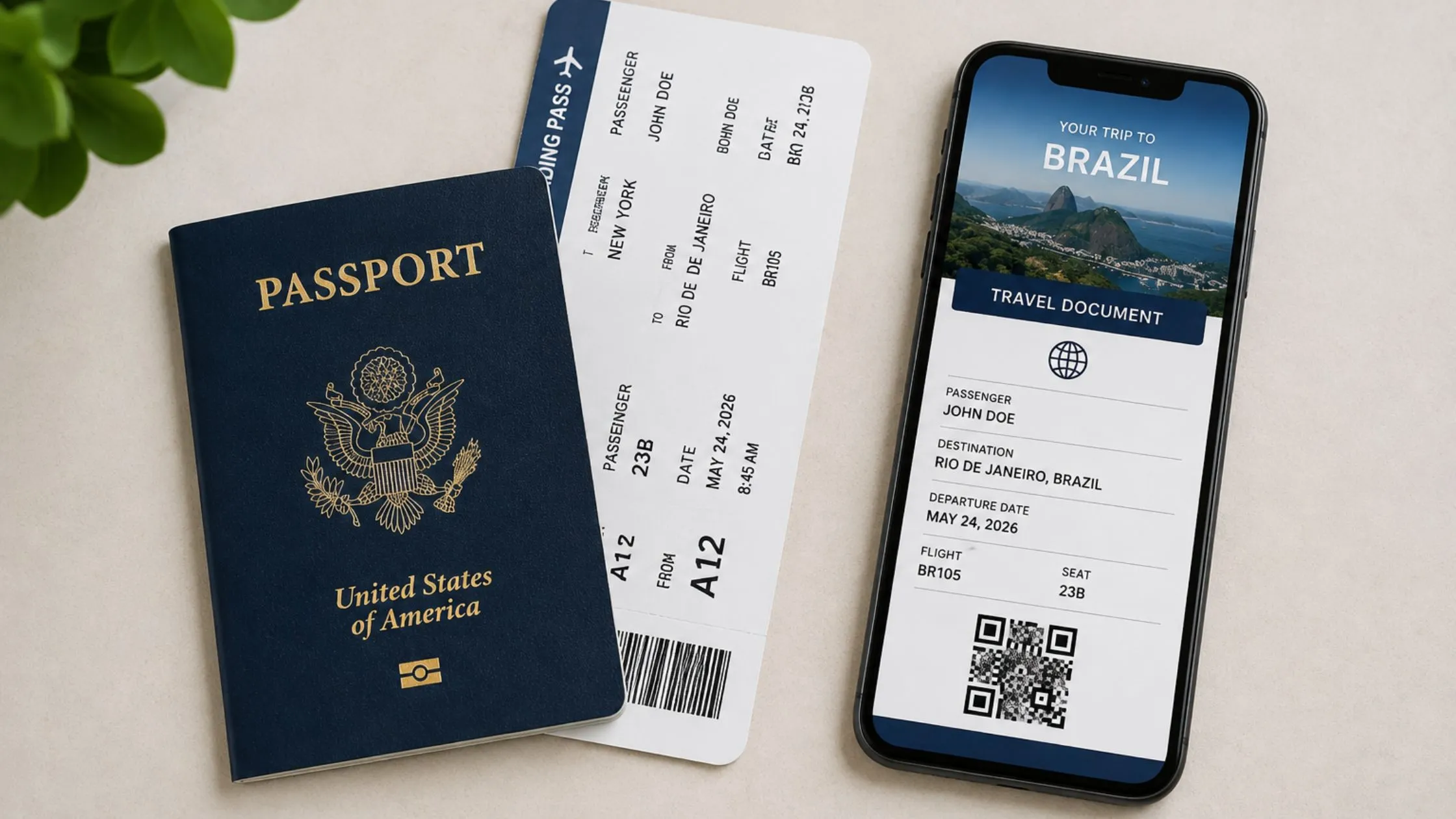
For all travellers: your passport should be valid for at least six months, and you may be asked for proof of onward travel and funds.
Best Time to Visit
Brazil sits mostly below the equator, so its seasons are the reverse of the northern hemisphere. Summer is roughly December to March. But because the country is so large, the "best" time depends on where you go.
| Region | Best time | Why |
|---|---|---|
| Rio & the Southeast beaches | Dec–March (hot, busy) | Beach season and Carnival; book early |
| Shoulder season (nationwide) | April–June, Sept–Nov | Fewer crowds, lower prices, pleasant weather |
| Amazon (Manaus) | June–Nov (drier) | Easier trails; Dec–May is high water for boat trips |
| Pantanal (wildlife, jaguars) | July–Oct (dry) | Animals gather at water; best sightings |
| Northeast (Salvador, Jericoacoara) | Sept–March | Sunny and dry; April–July is wetter |
| Iguaçu Falls | Year-round | Fuller flow in the summer rains (Dec–March) |
Travel tip. If you want good weather and smaller crowds, target May or September. You avoid the Carnival price spike and still get comfortable conditions in most regions.
Weather & Climate
Brazil ranges from tropical in the north to subtropical in the south. Near the Amazon it is hot and humid all year. Rio is warm most of the time, with hot, wet summers. The far south (around Porto Alegre) can get genuinely cold in winter.
Rain matters more than temperature for planning. Check the rainy season for your specific region, not the country as a whole. Pack light, breathable clothes, plus a rain layer for the tropics.
Money, Currency & Budget
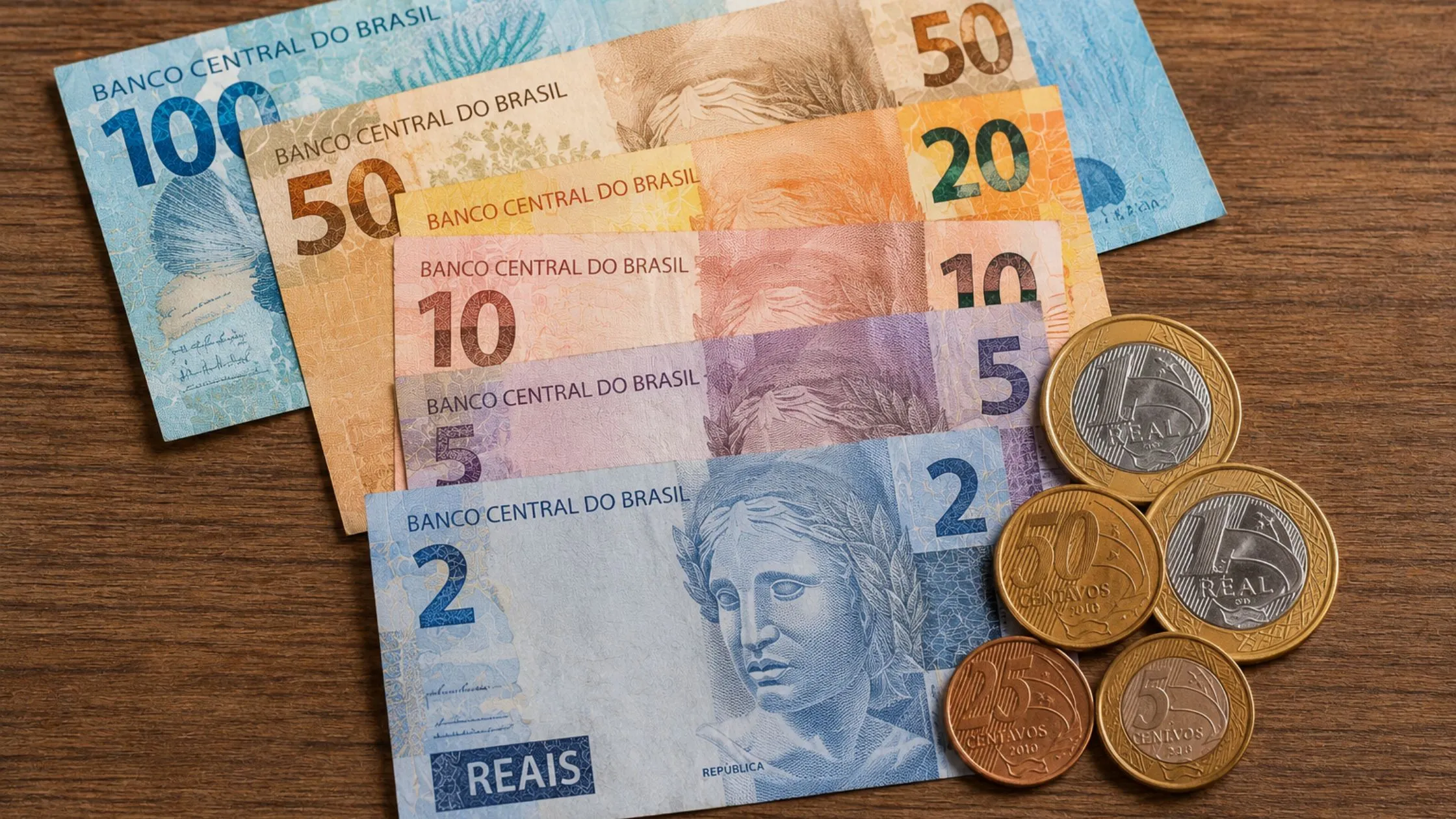
The currency is the Brazilian real (R$). In 2026 the rate is around R$5.1 to US$1, but it moves, so check before you exchange.
Cards are widely accepted, even for small purchases. Contactless works in cities. Still, carry some cash for markets, small towns, and tips. Use ATMs inside banks or shopping centres, and tell your bank you are travelling.
Rough daily budgets (per person):
| Style | Per day (approx.) | What it covers |
|---|---|---|
| Budget | US$40–70 | Hostel dorm, street food and self-catering, buses, few paid sights |
| Mid-range | US$100–180 | 3-star hotel or good guesthouse, restaurants, some domestic flights, tours |
| Luxury | US$300+ | 4–5 star hotels, private guides, frequent flights, fine dining |
These are guides, not fixed prices. Rio and beach resorts cost more; smaller inland towns cost less. Prices change, so verify current rates.
Travel tip. A travel card or bank card with low foreign fees saves real money over a long trip. Compare a couple before you go rather than paying airport exchange rates.
Getting There: Flights & Airports
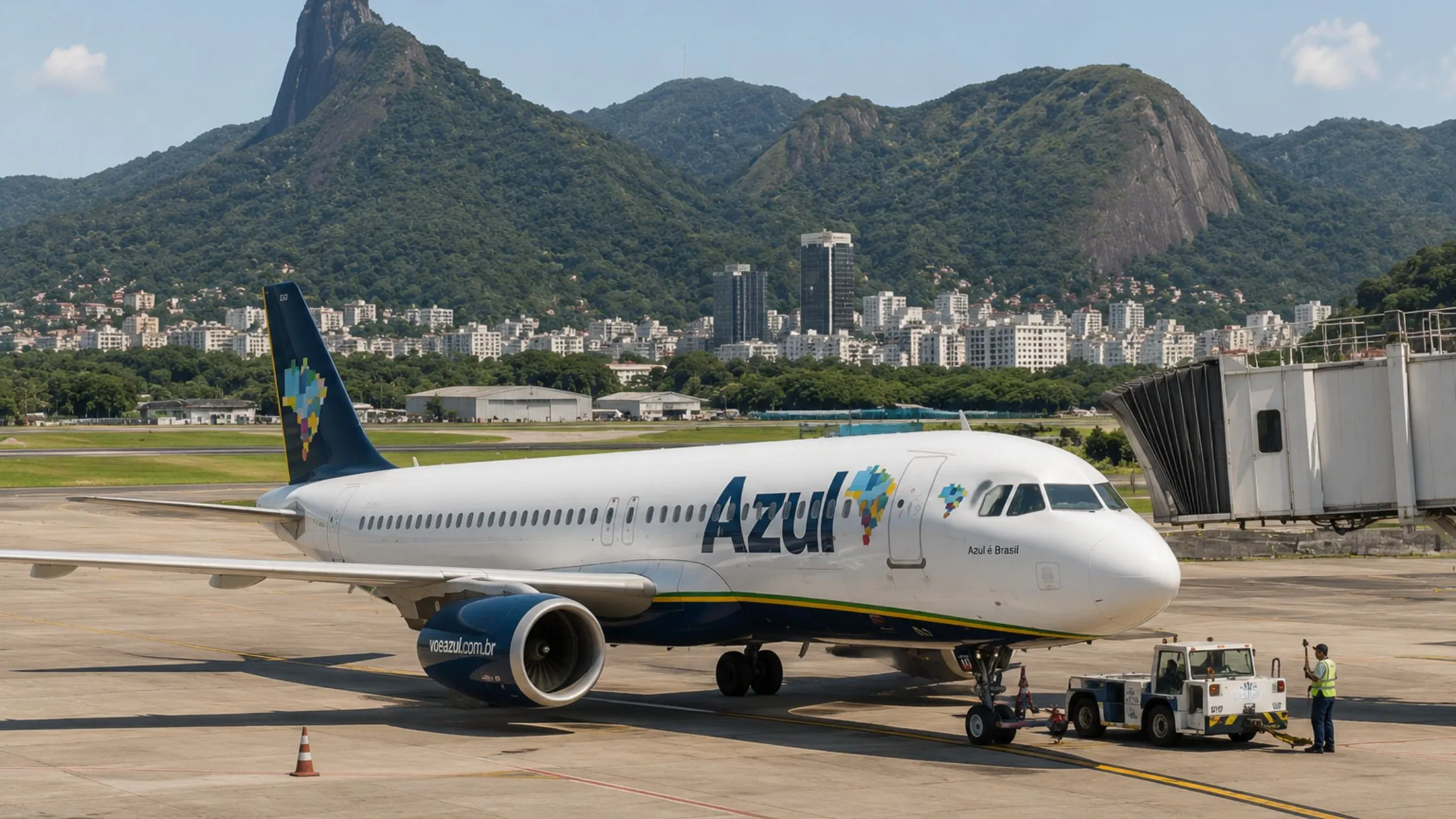
Most long-haul flights arrive at São Paulo–Guarulhos (GRU) or Rio de Janeiro–Galeão (GIG). These are the main international gateways. Other useful entry points include Brasília (BSB), Salvador (SSA), Recife (REC), and Fortaleza (FOR) for the Northeast.
Fares are usually lowest outside the December–March high season. Flexible dates and booking a few months ahead help. If you plan to visit more than one region, look for an open-jaw ticket (fly into one city, out of another) to save backtracking.
Travel tip. Compare flights across a full week, not a single day. A one-day shift can change the price a lot, especially around Carnival and New Year.
Getting Around Brazil
Domestic flights are the sensible way to cross the country. The main carriers are LATAM, GOL, and Azul. Book internal flights early for the best fares, and weigh baggage rules carefully — budget fares add up with extras.
Long-distance buses are comfortable and safe on major routes, and cheaper than flying. But distances are long — some journeys take a full day or more. They suit shorter hops and travellers with time.
In cities, use ride apps like Uber and 99. They are cheaper and safer than flagging taxis on the street, and you avoid fare disputes. Metro systems in São Paulo and Rio are quick for core routes.
Car rental makes sense for coastal drives, the Chapada highlands, or the wine country in the south — places where public transport is thin. In big cities, a car is more hassle than help. You will usually need your licence, often an International Driving Permit, and a credit card for the deposit. Add full insurance, and be ready for tolls and busy traffic.
Where to Stay
Brazil covers every price level, from beach hostels to jungle lodges to design hotels.
- Rio de Janeiro: Copacabana and Ipanema for beach access; Santa Teresa for a quieter, arty feel.
- São Paulo: stay in Jardins or Pinheiros for restaurants, nightlife, and safe walking.
- Salvador: the historic Pelourinho for atmosphere, or Barra for the beach and sunsets.
- Amazon: book a jungle lodge out of Manaus rather than a city hotel for the real experience.
- Northeast beaches: small guesthouses (pousadas) in spots like Jericoacoara give the best value and charm.
Book early for high season, Carnival, and New Year — the best-value places sell out first.
Travel tip. For lodges and tours (Amazon, Pantanal), booking a package that includes transfers and guides is usually smoother than arranging each part yourself.
Food & Traditional Dishes
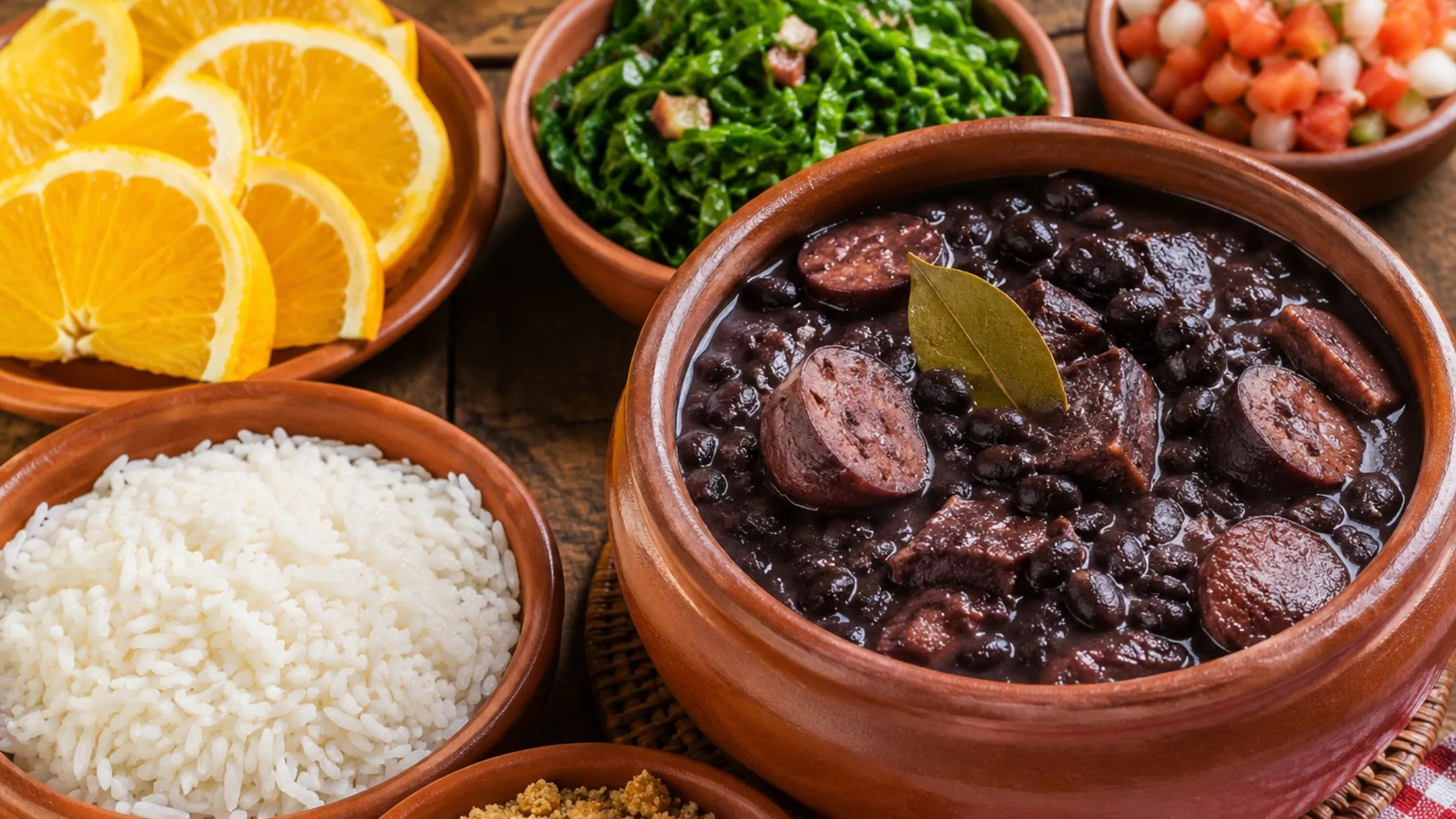
Brazilian food is regional and generous. You will eat well at every budget, and per-kilo buffets (comida a quilo) are a cheap, easy lunch option.
Dishes to try:
- Feijoada — a rich black bean and pork stew, the national dish, often eaten at weekends.
- Pão de queijo — small, chewy cheese bread; a perfect snack.
- Moqueca — a coconut fish stew, best in Bahia and Espírito Santo.
- Churrasco — Brazilian barbecue, served in churrascarias where waiters bring cuts to your table.
- Açaí — a frozen berry bowl, eaten as an energy snack (in the Amazon it is savoury, not sweet).
- Brigadeiro — a chocolate fudge ball, the classic party sweet.
Vegetarians can find beans, rice, salads, and grilled vegetables easily, though menus lean towards meat. Drink bottled or filtered water rather than tap water.
Language & Communication
Brazil speaks Portuguese, not Spanish. English is limited outside hotels and tourist areas. A few basic Portuguese words earn a warm response:
- Hello — Olá / Oi
- Thank you — Obrigado (men) / Obrigada (women)
- Please — Por favor
- How much? — Quanto custa?
- Do you speak English? — Você fala inglês?
A translation app used offline covers most gaps.
SIM Cards & Internet
Wi-Fi is common in hotels, cafés, and airports. For data on the move, you have two choices:
- Local SIM (Vivo, Claro, or TIM) is cheap but can require a Brazilian tax ID (CPF) and time in a shop.
- eSIM is the simplest option for most visitors. You buy and activate it online before you land, and your regular number keeps working for calls and messages.
Travel tip. Set up an eSIM before your flight so you have maps and ride apps working the moment you land. It removes the airport SIM-queue stress.
Safety: An Honest Look
Brazil deserves a calm, honest answer on safety — not panic, and not false comfort. Millions visit safely every year, but big-city petty crime is real and worth planning around.
Sensible habits cover most risks:
- Keep phones and jewellery out of sight on streets and beaches.
- Use ride apps instead of street taxis, especially at night.
- Carry only what you need; leave passports and spare cards in the hotel safe.
- Withdraw cash inside banks or malls, not from street ATMs at night.
- Visit favelas only with a reputable, established tour — never wander in alone.
⚠️ Watch out. Common scams include taxi overcharging (use apps), card cloning at dodgy machines, and "helpful stranger" distractions near ATMs. Stay aware in crowds, especially during Carnival.
Some governments list Brazil under an "increased caution" travel advisory. Check your own country's official advisory before you travel, and get travel insurance that covers medical care and theft.
Travel tip. Good travel insurance is not optional here. Medical care and lost-item claims can be costly, and a policy that covers both gives real peace of mind.
Emergency Numbers
- Police: 190
- Ambulance (SAMU): 192
- Fire department: 193
- Federal highway police: 191
Save these in your phone before you travel. Major tourist cities like Rio also have dedicated tourist police units.
Culture & Local Etiquette
Brazilian culture is social and relaxed. Greetings are warm — a handshake or, between friends, a kiss on the cheek. People often run a little late, and that is normal.
A few pointers:
- Tipping is often included as a 10% service charge (serviço). Extra is welcome for good service but not expected.
- Keep beachwear for the beach; cover up in restaurants and shops.
- Football (soccer) is a national passion — a safe, friendly topic to bond over.
- Learn to say obrigado/obrigada; small courtesies matter.
Festivals & Events
Brazil is famous for its celebrations. The biggest:
- Carnival (February or March) — huge street parties and parades in Rio, Salvador, and Recife/Olinda. Book flights and hotels months ahead.
- Réveillon (New Year's Eve) — Copacabana beach fills with people in white for fireworks.
- Festa Junina (June) — countryside harvest festivals with food, music, and dancing.
- Rock in Rio — one of the world's largest music festivals, held in select years.
Top Attractions
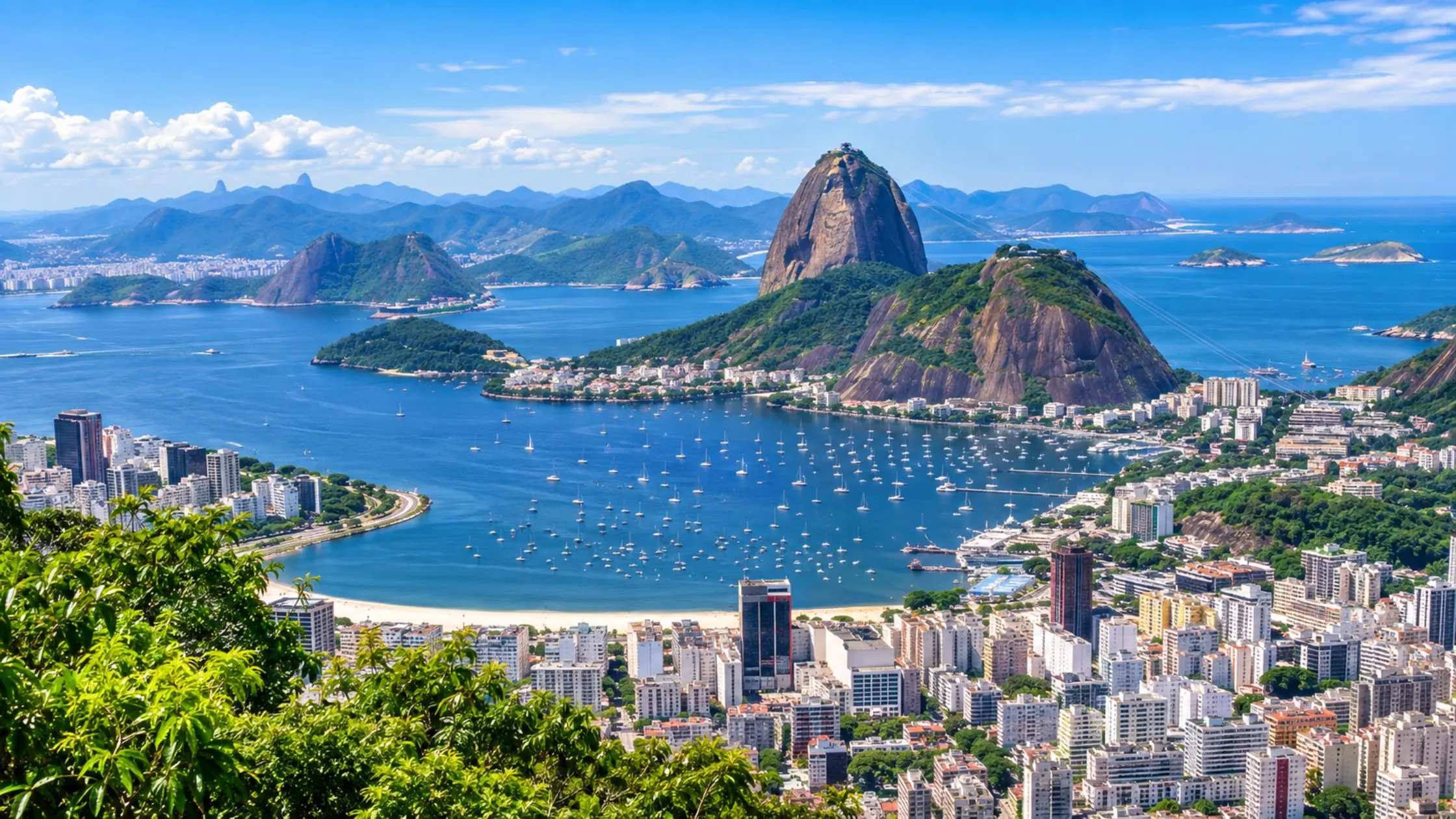
- Christ the Redeemer & Sugarloaf, Rio — the classic pair; go early for clear views.
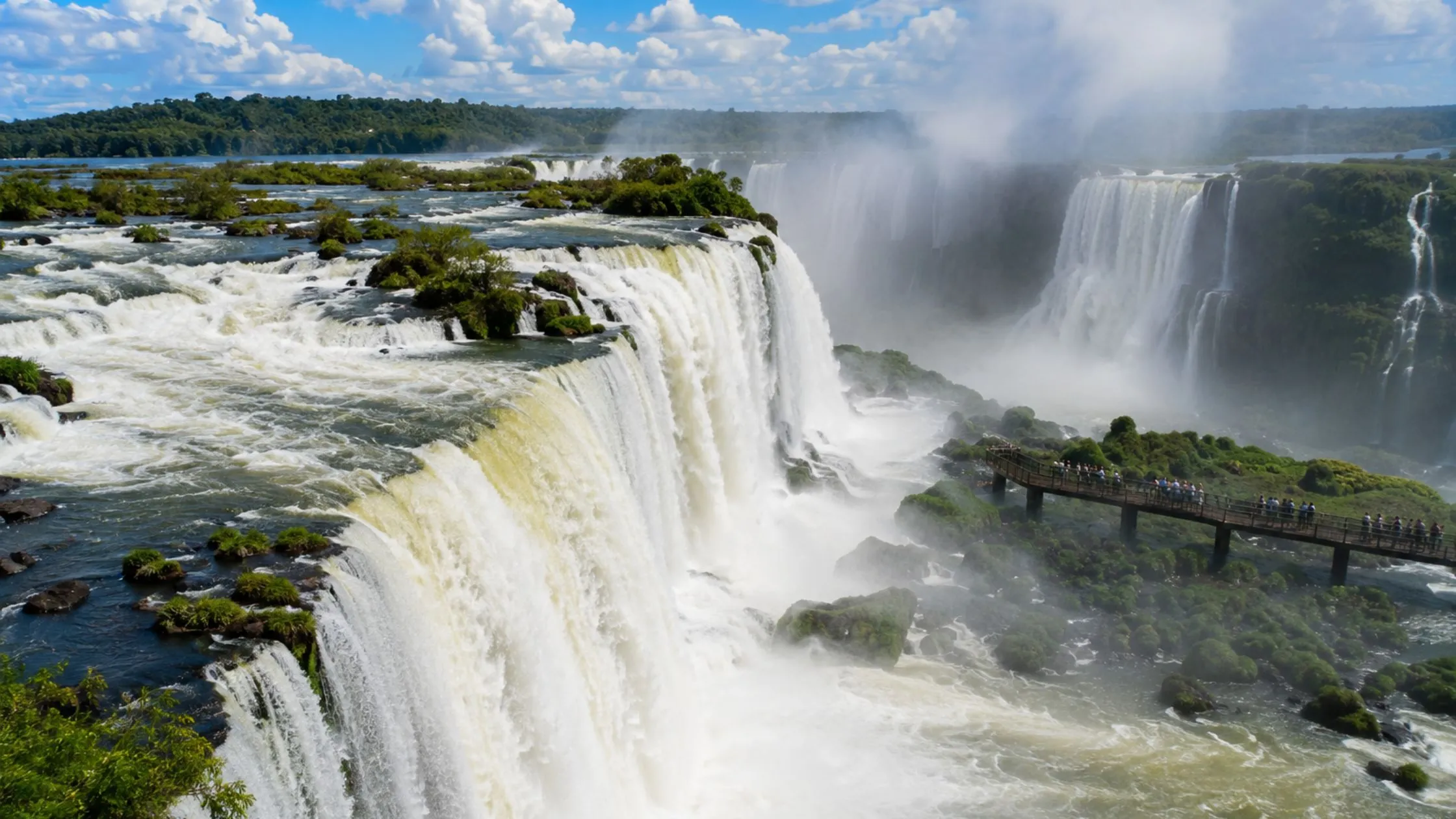
- Iguaçu Falls — one of the world's great waterfall systems, on the Argentina border.
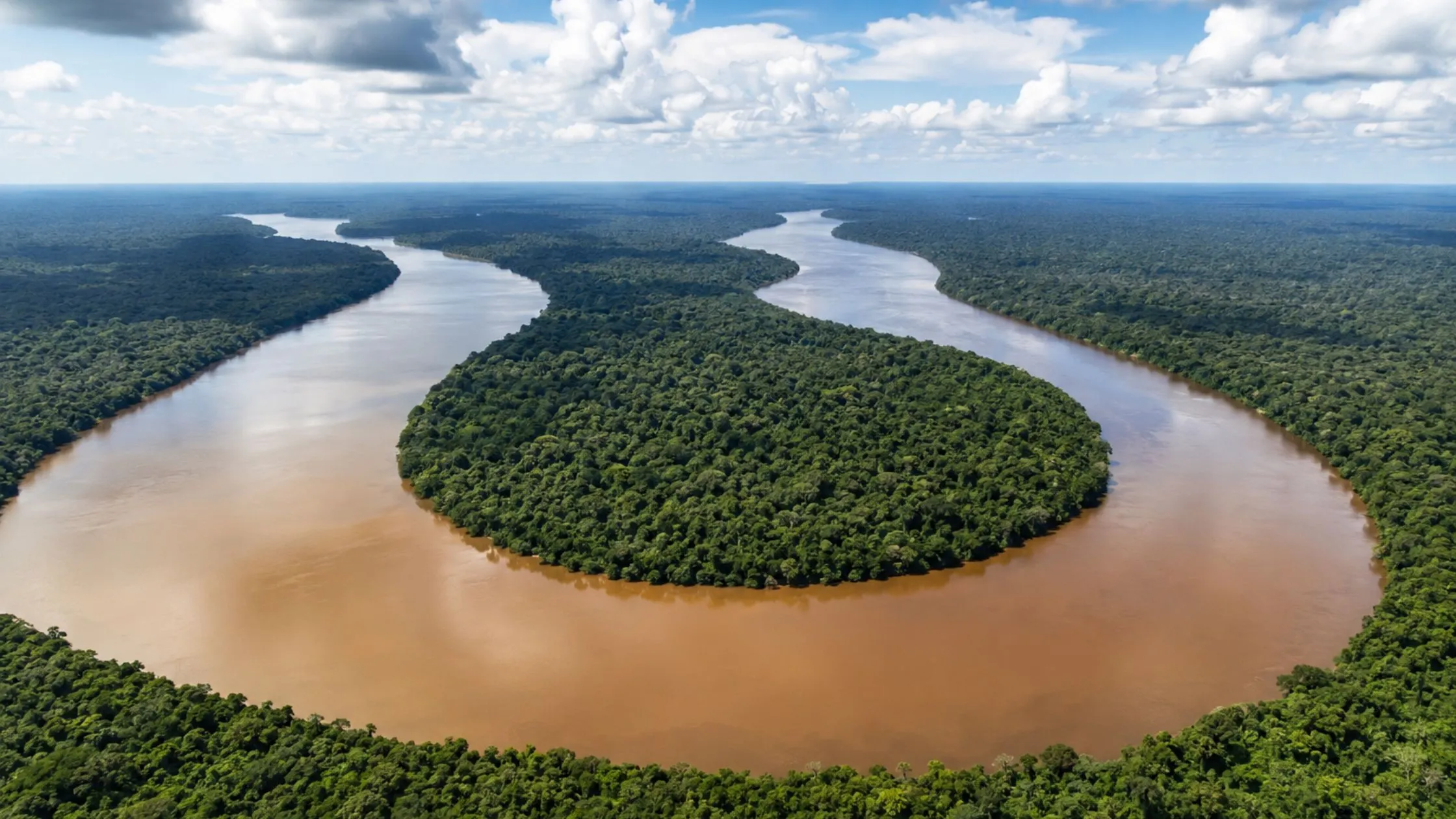
- The Amazon (from Manaus) — river trips, lodges, and wildlife.
- The Pantanal — the best place in South America to see wild jaguars and caiman.
- Salvador & Pelourinho — colonial streets, Afro-Brazilian culture, and music.
- Fernando de Noronha — a protected island with clear water and top diving (numbers are capped, so plan ahead).
- Lençóis Maranhenses — white dunes dotted with rain-fed lagoons in the Northeast.
Lesser-Known Places Worth Your Time
- Chapada Diamantina — waterfalls, caves, and hiking in Bahia's interior.
- Bonito — crystal-clear rivers for snorkelling in Mato Grosso do Sul.
- Ouro Preto — a beautifully preserved colonial mining town in Minas Gerais.
- Jericoacoara — a laid-back dune village on the Northeast coast.
Suggested 2-Week Itinerary
A realistic route that mixes city, nature, and culture without rushing:
- Days 1–4: Rio de Janeiro. Beaches, Christ the Redeemer, Sugarloaf, Santa Teresa, a day trip to Petrópolis.
- Days 5–6: Iguaçu Falls. Fly in; see both the Brazilian and Argentine sides.
- Days 7–9: The Amazon. Fly to Manaus; stay at a jungle lodge with guided river trips.
- Days 10–12: Salvador & Bahia. History, music, food, and nearby beaches.
- Days 13–14: Buffer and slow days. Rest, one more beach, or extend a favourite stop.
Travel tip. Build in buffer time. Domestic flights and long distances mean tight plans break easily. A slower trip through fewer places beats a rushed dash across all of them.
Money-Saving Tips
- Travel in shoulder season (April–June, Sept–Nov) for lower prices.
- Eat lunch at per-kilo buffets and street stalls.
- Book domestic flights early and travel light to skip baggage fees.
- Use ride apps and public transport instead of private transfers.
- Stay in pousadas (guesthouses) over big-brand hotels for better value.
Common Mistakes to Avoid
- Underestimating distances. Brazil is continent-sized; plan fewer stops.
- Assuming Spanish. The language is Portuguese.
- Ignoring regional seasons. The "best time" changes by area.
- Skipping travel insurance. Medical and theft cover matter here.
- Leaving the visa or eVisa to the last minute. Airlines check before boarding.
- Drinking tap water. Stick to bottled or filtered.
Packing List
- Light, breathable clothing and swimwear
- A rain layer for the tropics
- Universal plug adapter (check 127V vs 220V by city)
- Reef-safe sunscreen and insect repellent
- A copy of your passport and eVisa (if needed)
- A card with low foreign fees, plus some cash
- Comfortable walking shoes
Tips for Different Travellers
Solo travellers: Brazil is doable solo, especially with a mix of hostels and group tours. Stay in central, well-reviewed areas, use ride apps at night, and keep valuables low-key.
Families: Beaches, wildlife, and waterfalls make Brazil great for kids. Choose one or two regions, book family rooms early, and build in rest days.
Digital nomads: São Paulo, Rio, and Florianópolis have good coworking spaces and cafés. Get a reliable eSIM or local plan, and check current long-stay visa options through official sources.
FAQs
Do I need a visa to visit Brazil in 2026? It depends on your passport. UK and most EU citizens can visit visa-free for up to 90 days. US, Canadian, and Australian citizens now need an eVisa, applied for online before travel. Always confirm your nationality's current status on Brazil's official government site.
Is Brazil safe for tourists? Yes, for most visitors who take normal precautions. Petty theft in big cities is the main risk. Keep valuables hidden, use ride apps, and avoid displaying expensive items. Check your government's latest travel advisory before you go.
When is the best time to visit Brazil? For good weather with fewer crowds, aim for April–June or September–November. December to March is beach and Carnival high season, which is lively but pricier and busier.
How much does a trip to Brazil cost? Budget travellers can manage on about US$40–70 a day, mid-range travellers around US$100–180, and luxury trips US$300+. Rio and beach resorts cost more. Prices change, so check current rates.
Do people speak English in Brazil? English is limited outside hotels and tourist areas. The national language is Portuguese. Learning a few basic words and using a translation app makes travel much easier.
Is the tap water safe to drink? It is safer to drink bottled or filtered water, especially outside major cities. Most hotels and restaurants provide it.
Conclusion
Brazil rewards travellers who plan well and slow down. Sort your visa or eVisa early, pick one or two regions instead of the whole map, and match your timing to where you want to go. Keep your valuables low-key, get solid travel insurance, and learn a few Portuguese words. Do that, and you get one of the most varied and welcoming trips in the world — beaches, rainforest, waterfalls, and warm people, all in one country.
Because prices, visa rules, and transport details change often, confirm the current details through official sources before you book.