
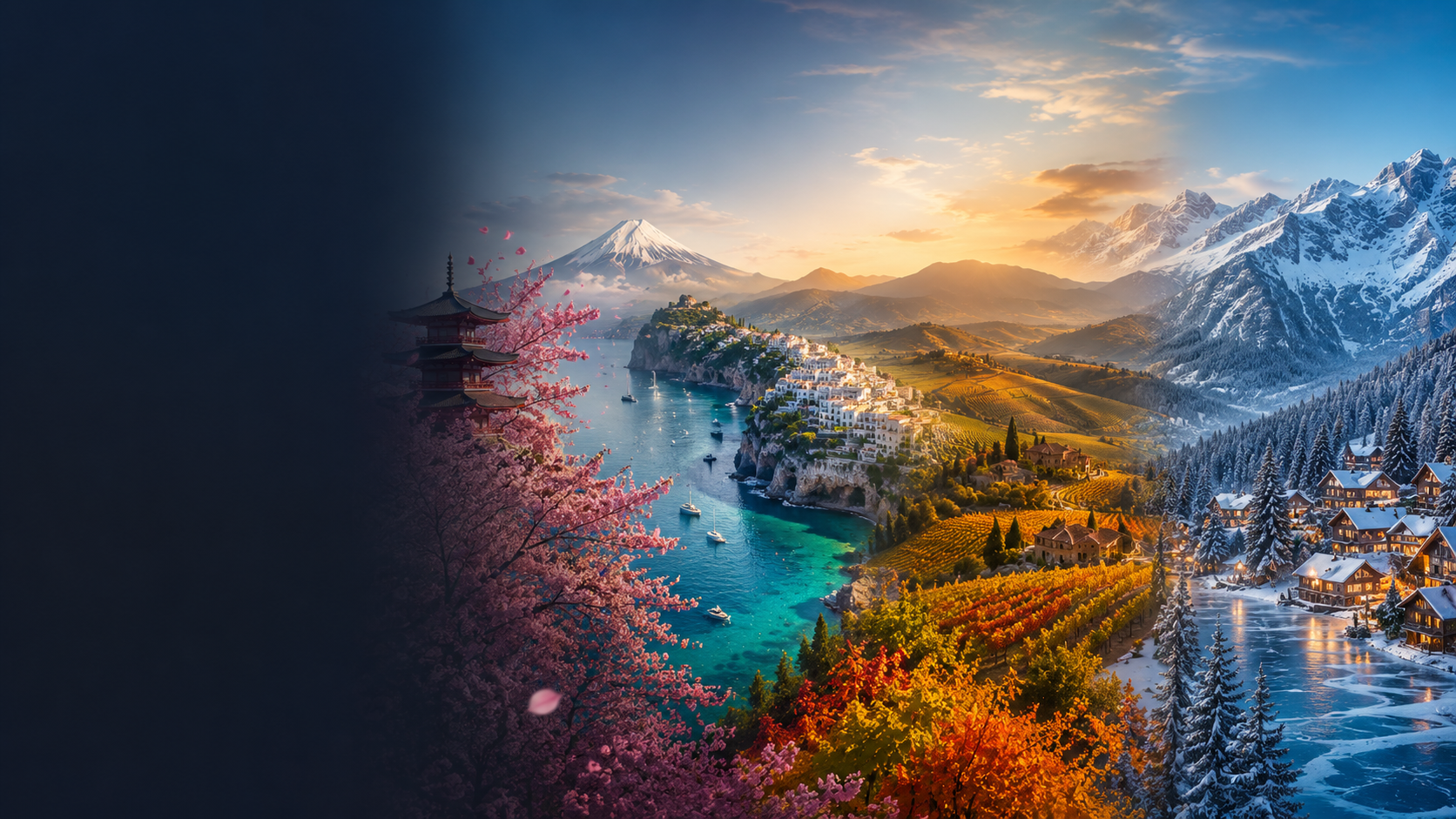
Here is the single most useful idea in all of travel planning: there is no such thing as a "best country to visit" in the abstract — there is only the best country to visit right now, for the month you happen to be free. The same destination can be a five-star experience in one season and a genuine disappointment in another. Santorini in June is a Mediterranean dream; Santorini in January is a windswept, half-shuttered rock. The Serengeti in the dry season delivers the greatest wildlife spectacle on Earth; in the wet season the animals scatter and the roads turn to mud.
Four forces shift every single month of the year, and understanding them is what separates a smooth trip from an expensive mistake:
- Weather decides whether you spend your days outdoors or sheltering from monsoon rain, brutal heat, or freezing wind.
- Crowds determine whether you get a serene sunrise at a famous landmark or a two-hour queue and elbows in every photo.
- Price can swing by 100% or more between peak and off-peak — the exact same hotel room, the exact same flight.
- Seasonal events — cherry blossoms, wildlife migrations, festivals, harvests — only happen in a narrow window, and missing it by two weeks means missing it entirely.
This guide is built around those forces. Below, you'll find the best countries to visit in every season, but more importantly, you'll understand why each one earns its place — so you can adapt the logic to your own dates and budget.
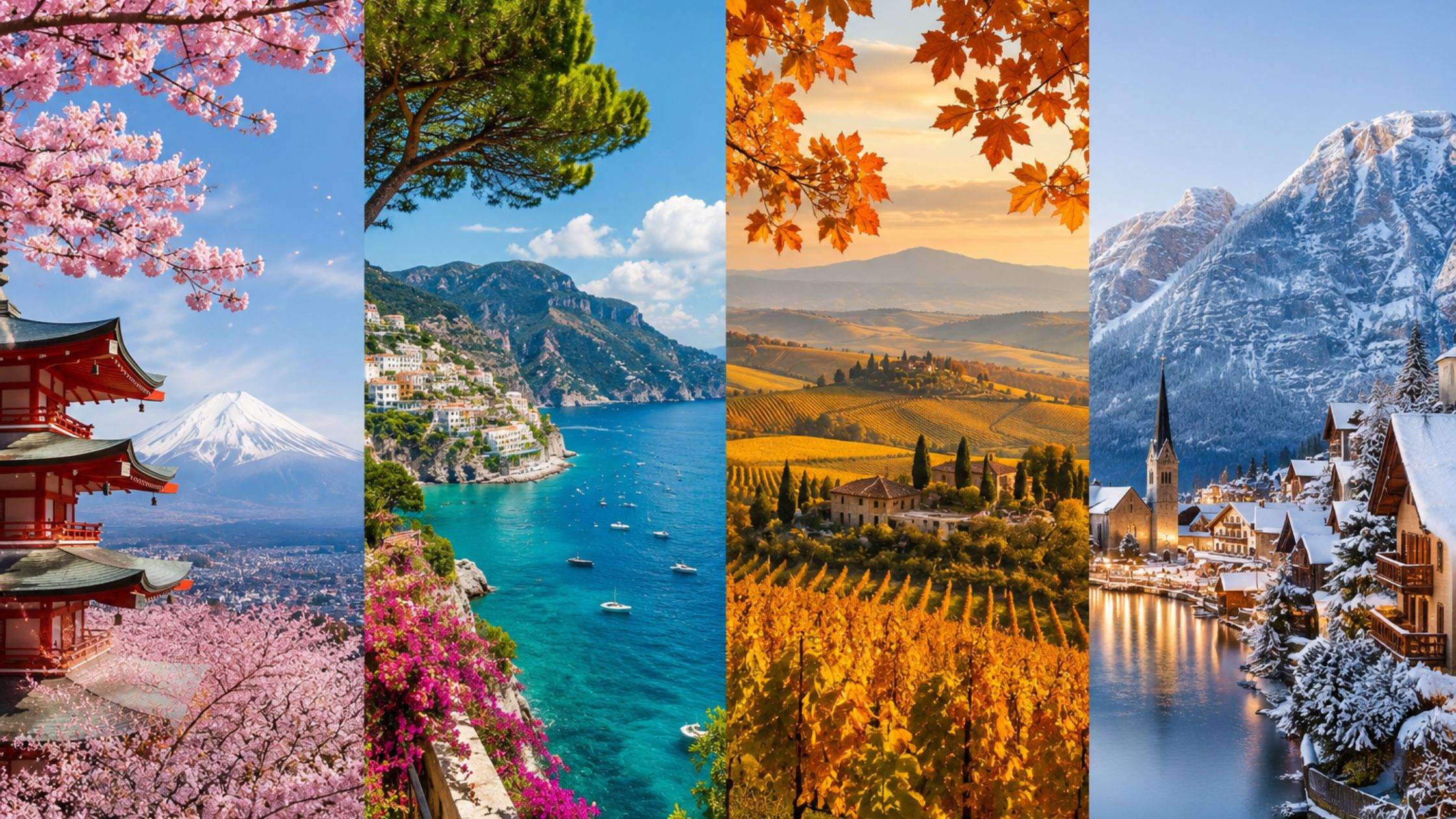
Best Countries to Visit in Spring (March–May)
Spring is, for most travelers, the single best season of the year — and it's worth understanding why. Winter crowds have gone home, summer crowds haven't arrived yet, temperatures are mild enough to walk for hours, and landscapes are at their most alive with blossom and new growth. Prices sit in the sweet spot between low-season bargains and peak-season gouging. If you can only travel once a year, spring is usually the smartest bet.
Japan — The Undisputed Spring Champion
Japan in spring is famous for one reason: cherry blossom (sakura) season, which sweeps north across the country from late March to mid-April. But the why runs deeper than pretty flowers. The blossoms trigger hanami — a centuries-old culture of gathering under the trees to eat, drink, and reflect on the fleeting nature of beauty. You aren't just seeing a landscape; you're joining a national ritual. Temperatures hover around a comfortable 12–20°C, ideal for temple-hopping in Kyoto or walking Tokyo's Meguro River at night under illuminated blossoms.
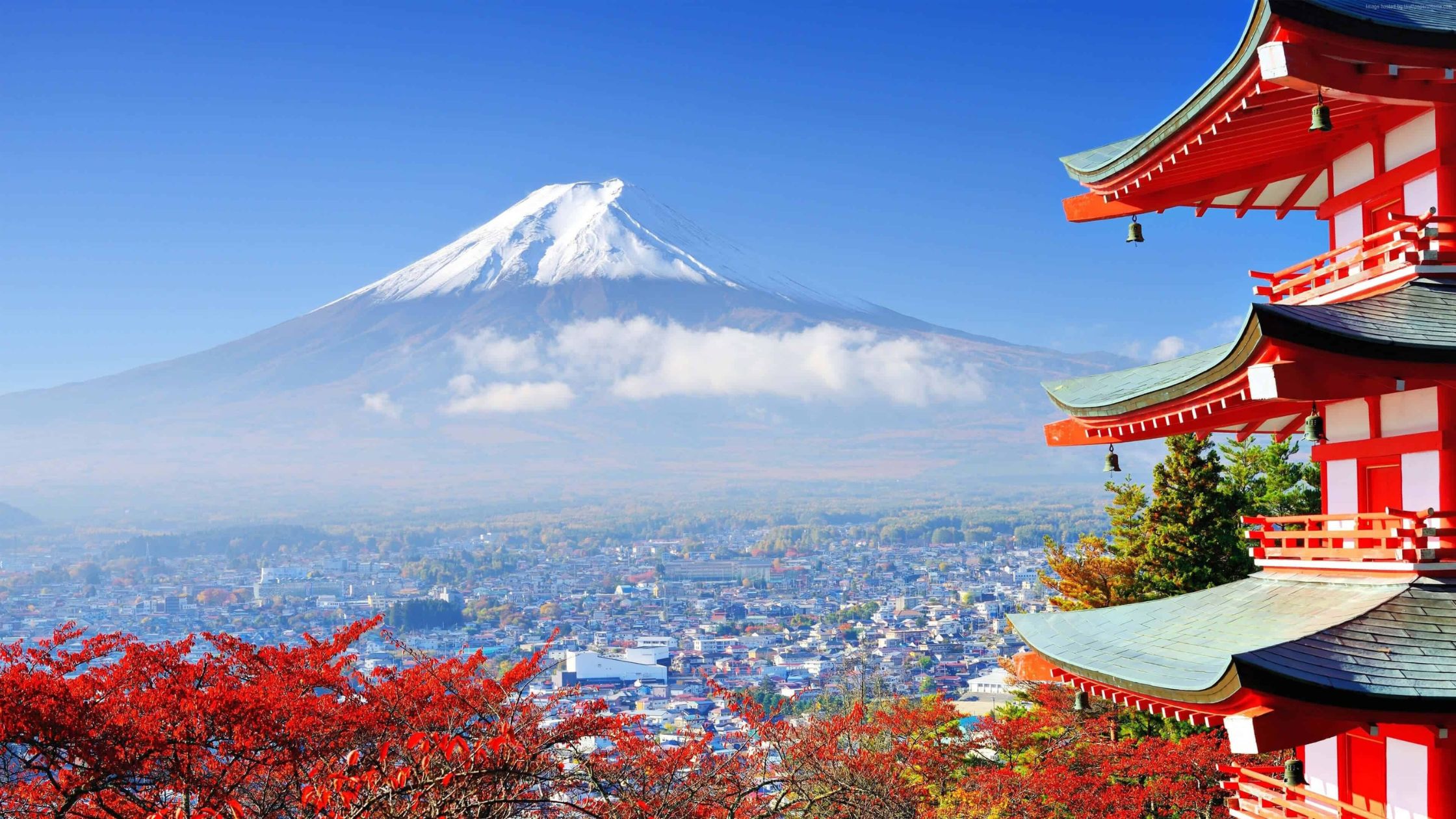
Practical note: book accommodation three to four months ahead — sakura season is the busiest and most expensive travel window in Japan, and the best-located hotels sell out first.
Netherlands — Tulips at Their Absolute Peak
The Keukenhof gardens bloom for roughly eight weeks from mid-March to mid-May, and this is the only time of year to see the Dutch bulb fields in full color. Spring is the reason to visit the Netherlands rather than an afterthought — outside this window, the fields are just green rows.
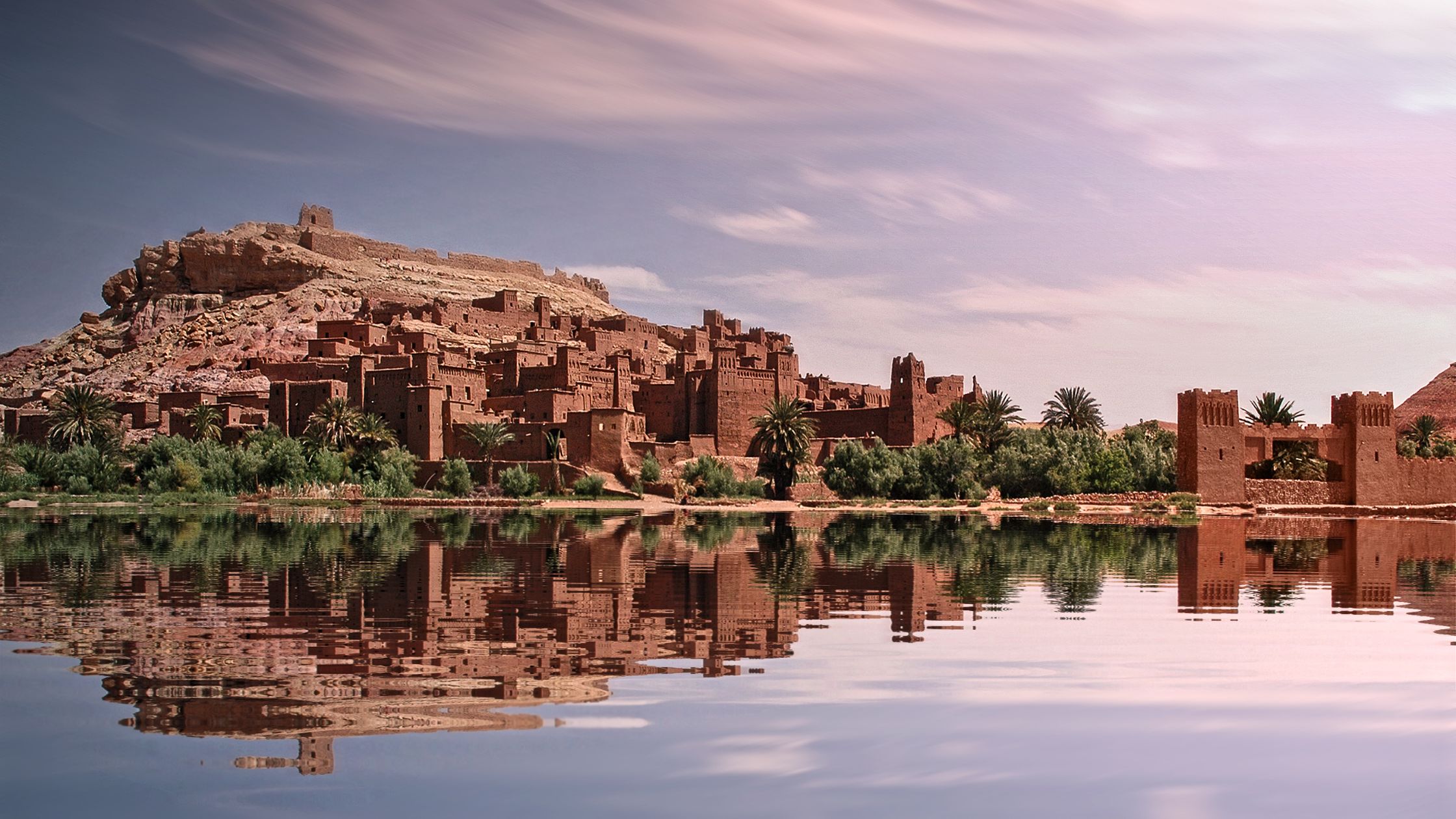
Morocco — The Goldilocks Window
Morocco's appeal in spring is about avoiding a specific problem: summer heat. From June to August, Marrakech regularly hits 38–43°C and the Sahara becomes punishing. Spring keeps daytime temperatures pleasant (low-to-mid 20s°C), which means you can actually enjoy the medinas, the Atlas Mountains, and a desert night without suffering.
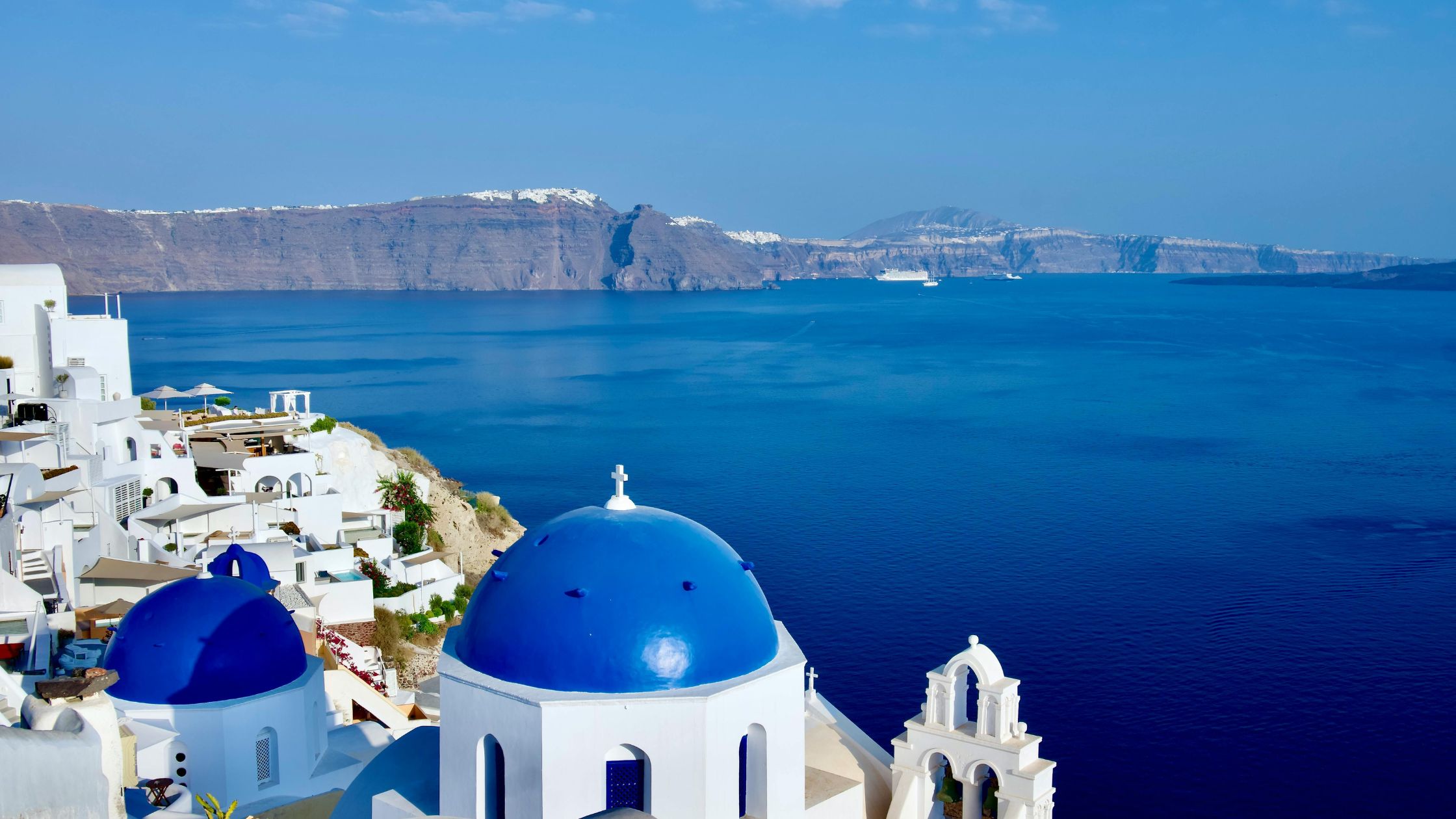
Greece — Before the Crush
The Greek islands technically "open" for the season in spring. Wildflowers cover the hills, ferry schedules ramp up, and — crucially — you get the postcard scenery without the July–August wall of tour groups. Prices are markedly lower, too.
Best Countries to Visit in Summer (June–August)
Summer's logic is simple: long daylight hours and warm, stable weather unlock the outdoor experiences — coastlines, mountain trails, and high-latitude regions — that are impossible or miserable the rest of the year. The trade-off is that summer is peak season in the Northern Hemisphere, so you pay more and share the view. The trick is choosing places where summer is genuinely the only right time to go.
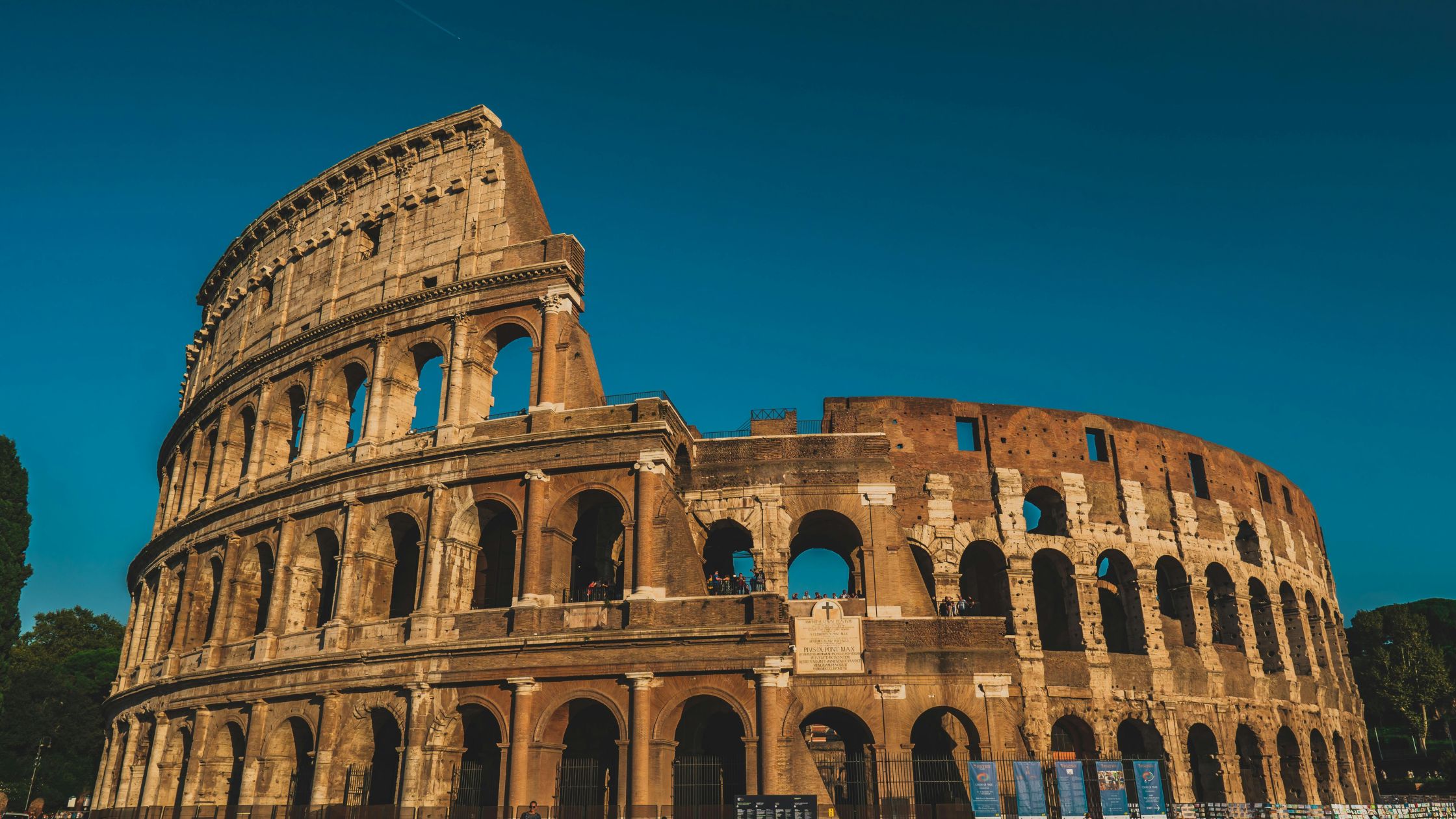
Italy — Peak Coast and Mountain Season
The Amalfi Coast, the Italian lakes, and the Dolomites are all at their glowing best in summer, with warm seas for swimming and clear skies for hiking. The why: these regions are built around the outdoors, and summer is when the water is warm enough and the high mountain trails are snow-free and open. The catch is crowds and heat in the cities — pair a coastal or mountain base with early-morning city sightseeing.
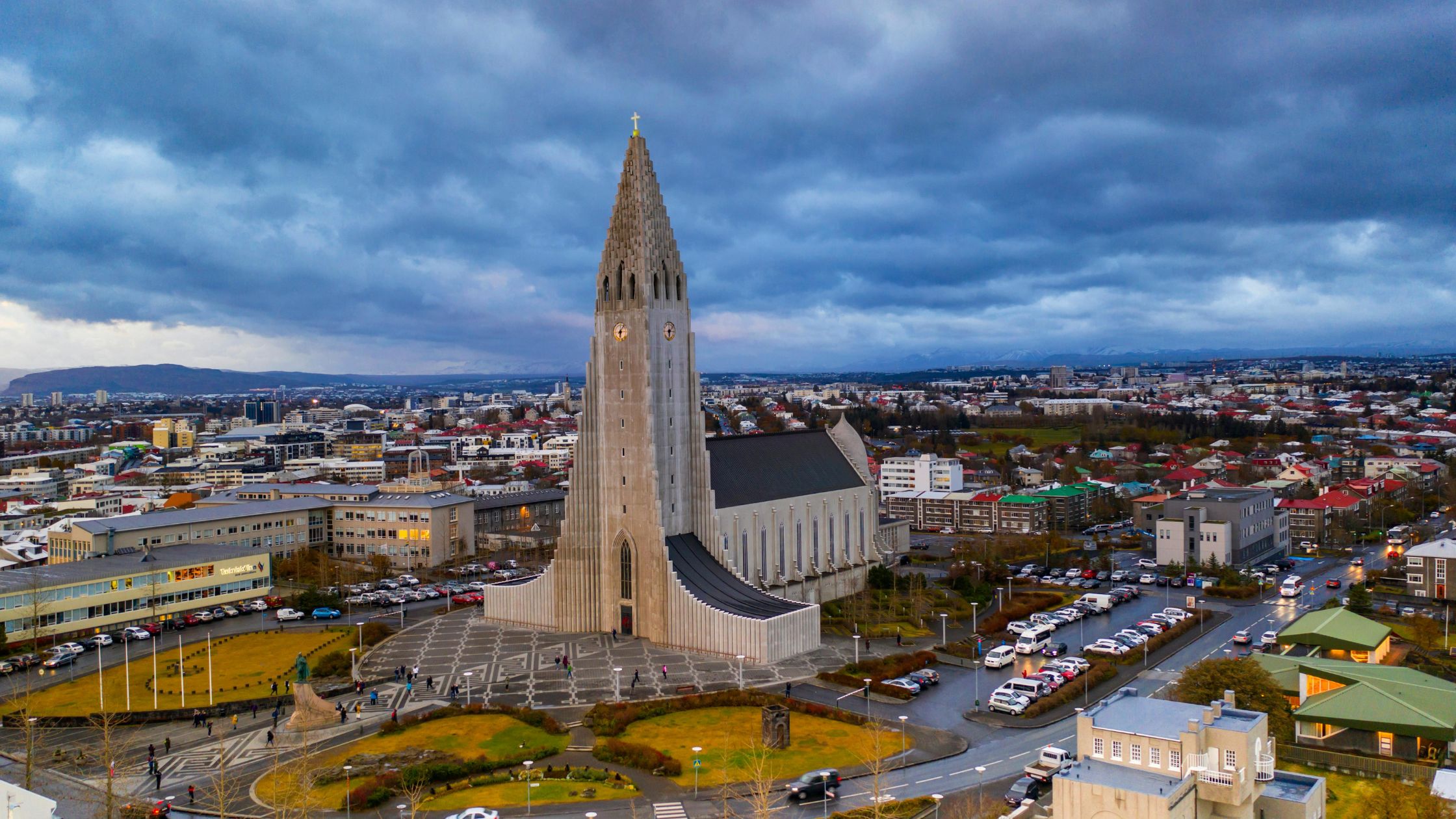
Iceland — The Midnight Sun Advantage
Iceland in summer offers something you can't get anywhere else at that latitude: near-24-hour daylight. This isn't a gimmick — it fundamentally changes the trip. The Ring Road becomes fully drivable, highland routes to remote waterfalls and hot springs open up, and you can hike or photograph at "midnight" in soft golden light. In winter, most of that access simply closes.
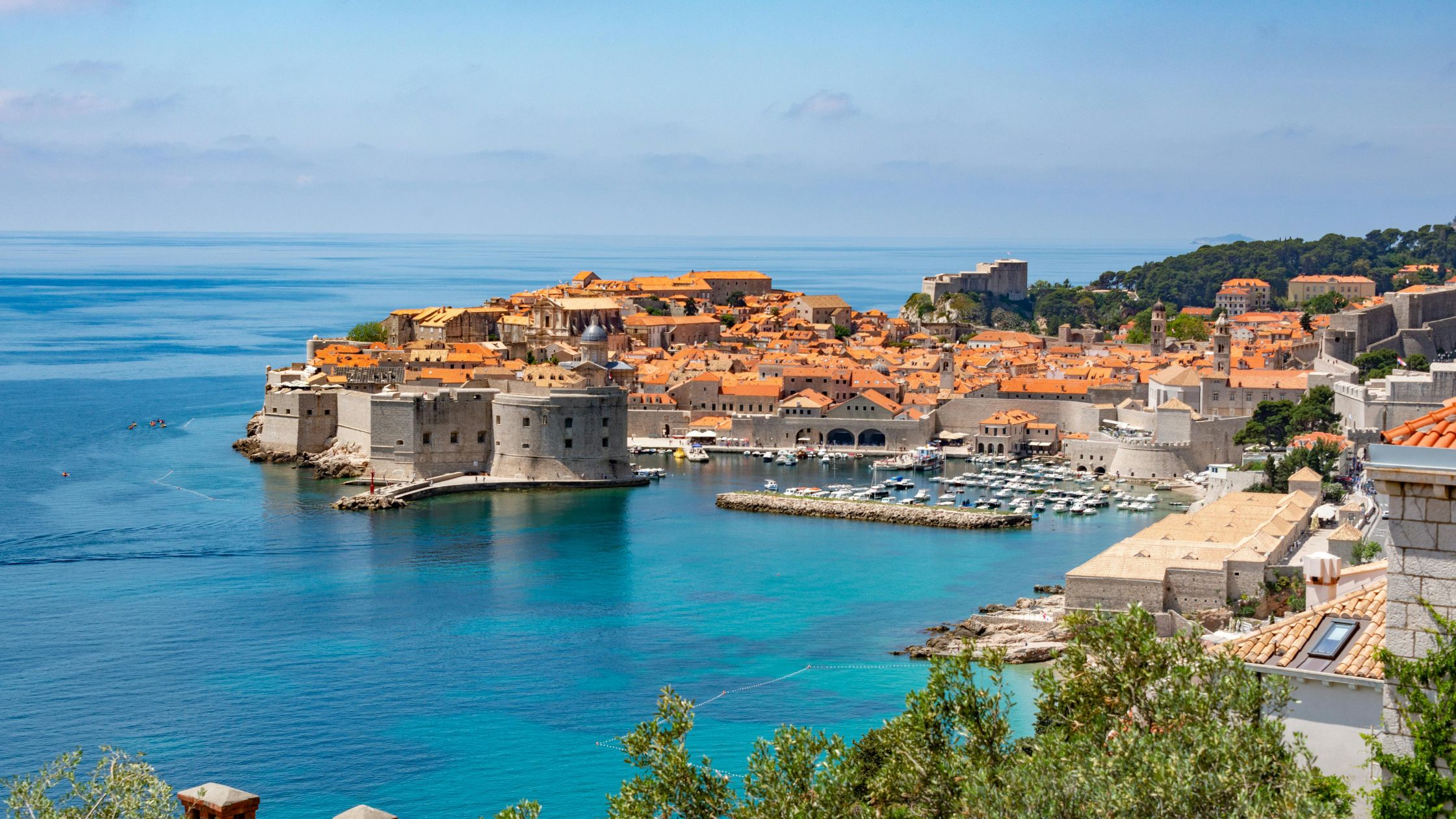
Croatia — Adriatic at Its Best
The Dalmatian coast — Split, Hvar, Dubrovnik — needs warm, calm seas to shine, and summer delivers crystalline swimming and island-hopping weather. It's peak season, so book early and consider June or early September to dodge the worst of the August rush.
Canada — The Rockies Unlocked
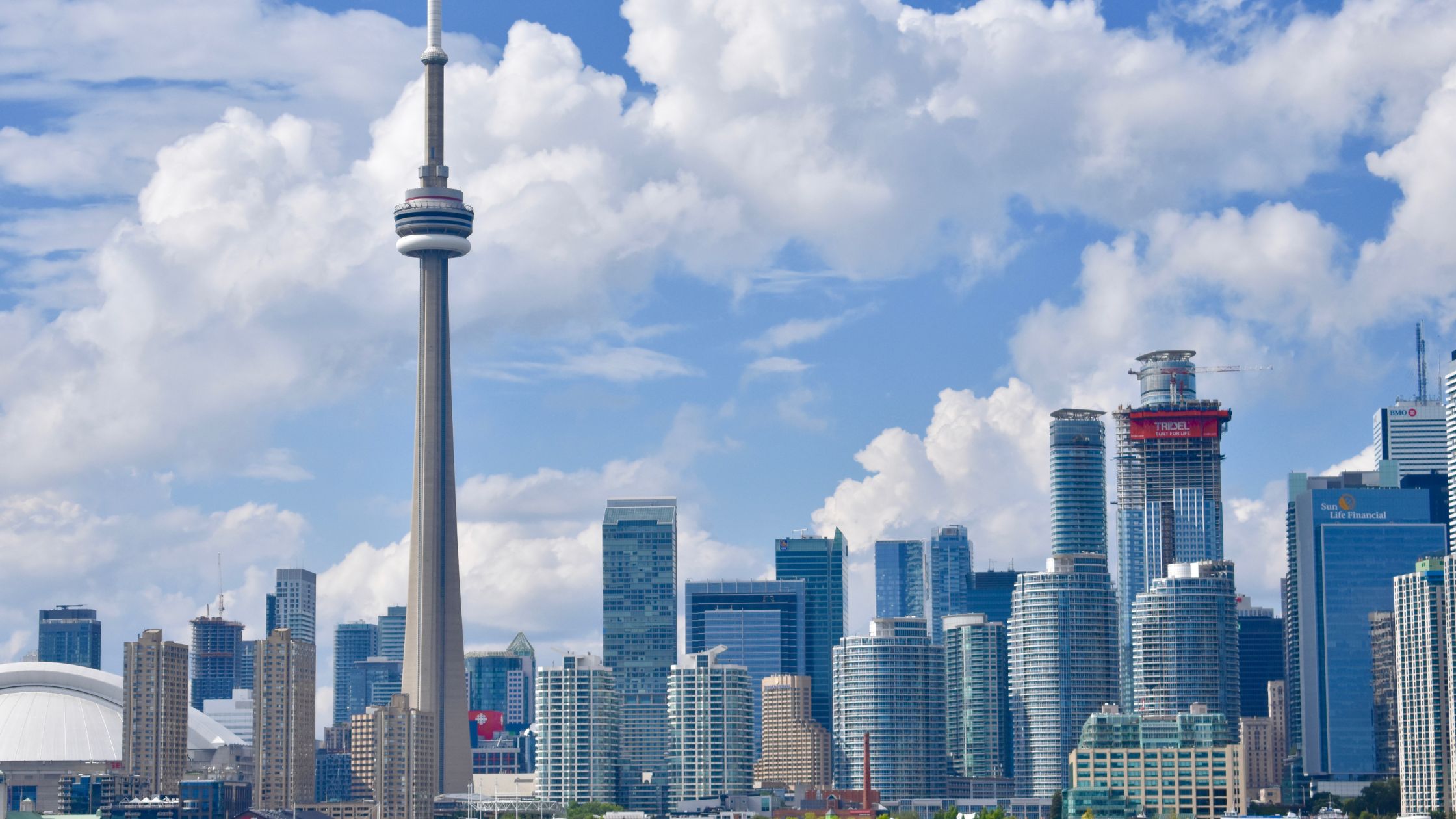
Banff, Jasper, and Vancouver reveal their turquoise lakes, open hiking trails, and wildlife under warm, dry summer skies. Lake Louise and Moraine Lake reach their most vivid glacial-blue color in mid-to-late summer once the ice fully melts.
Best Countries to Visit in Autumn (September–November)
Autumn is the connoisseur's season — and once you understand why, it's hard to go back to peak-summer travel. Crowds thin dramatically after the school holidays end, temperatures ease into the comfortable range, prices drop, and two seasonal spectacles arrive: harvest (wine, food, festivals) and fall foliage. For many destinations, autumn quietly outperforms summer on every metric that matters.
Peru — The Dry-Season Sweet Spot
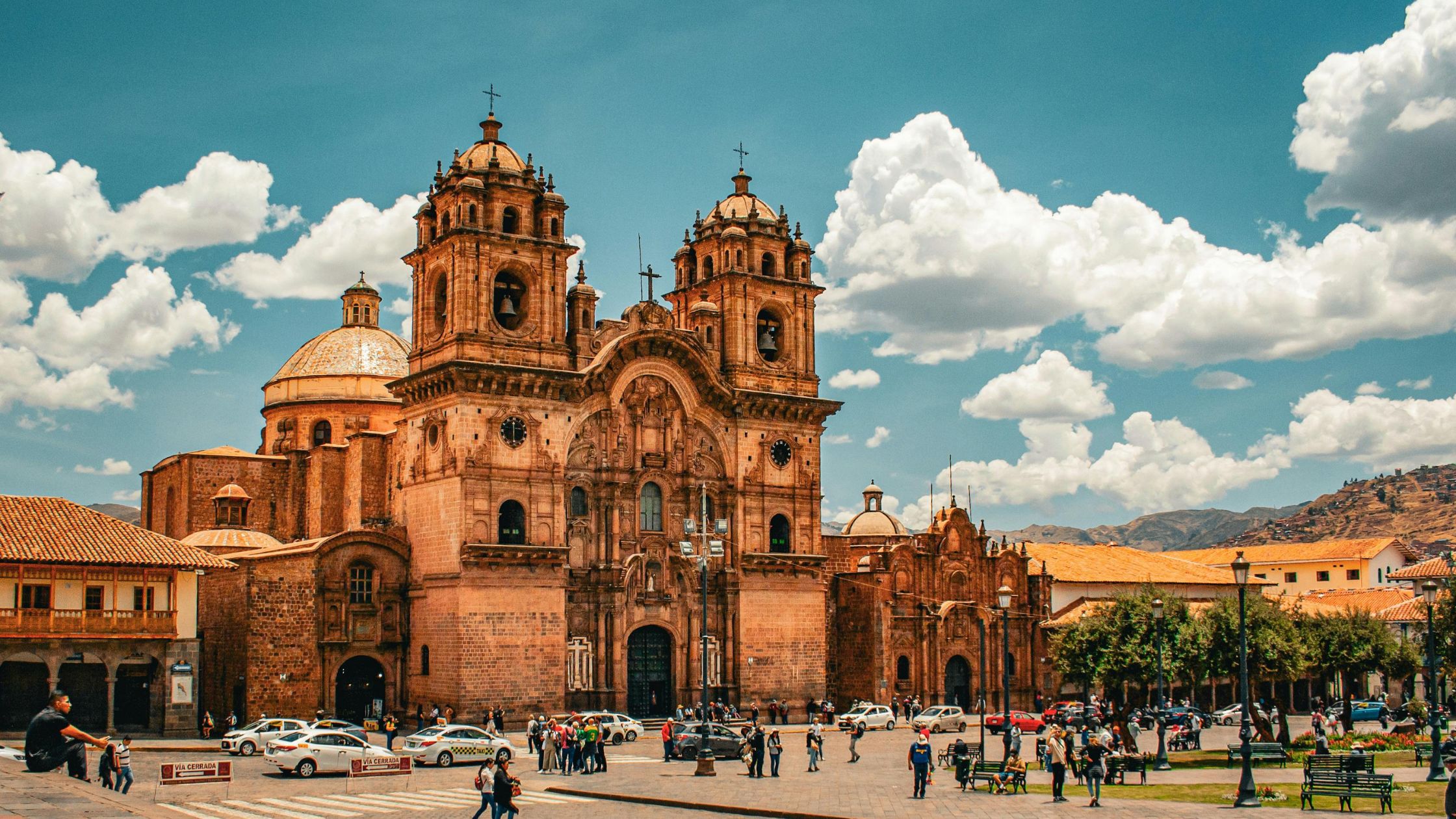
Peru's dry season runs roughly May to October, and the tail end (September–October) is ideal for Machu Picchu and the Inca Trail. The why is critical: the trek and the ruins are far better in dry weather — clear mountain views, safer trails, no washed-out sections — and by September the peak-season July–August crowds have started to ease.
Japan (Again) — Foliage That Rivals the Blossoms
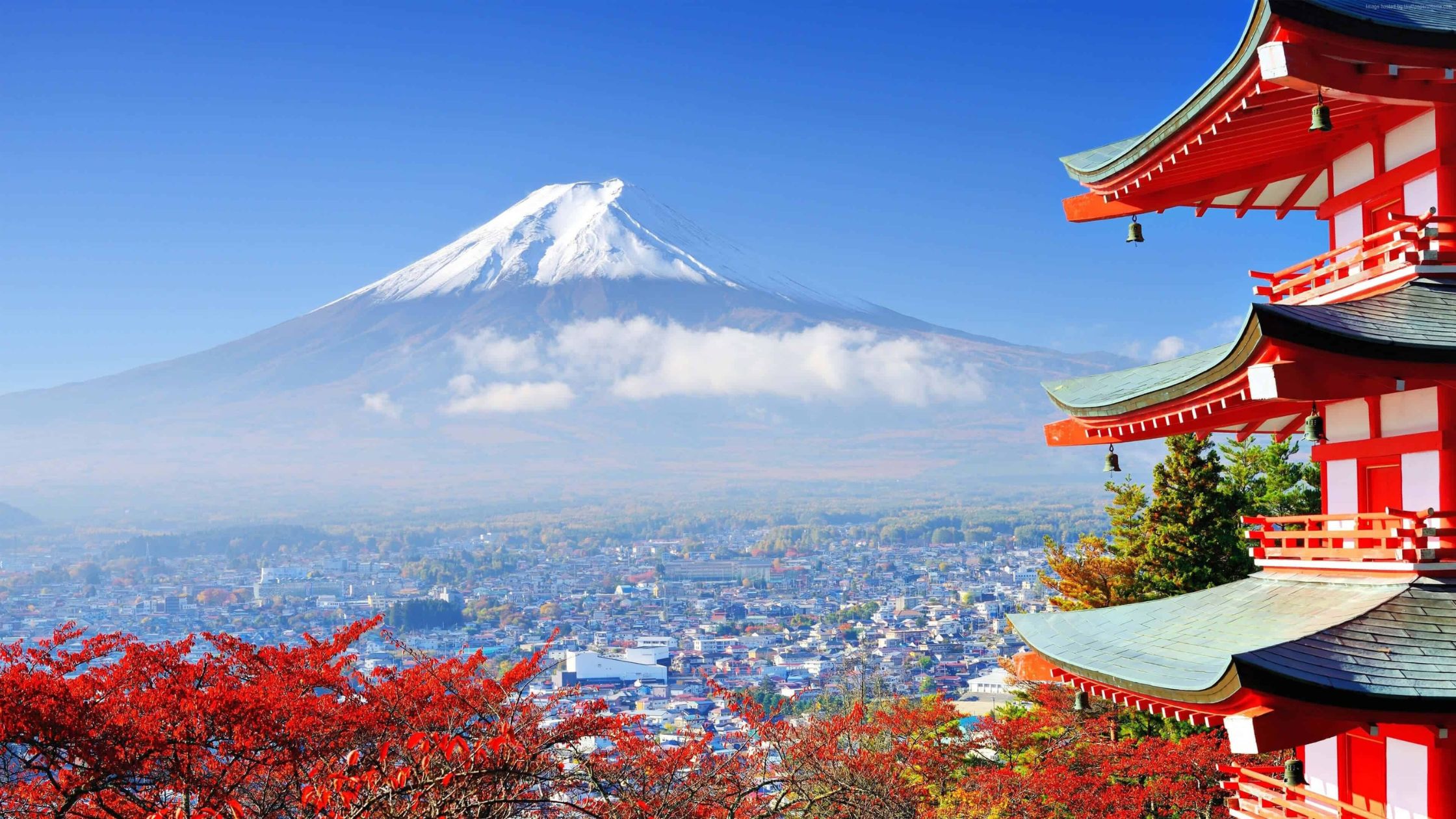
Japan appears twice on this list for good reason. Autumn foliage (koyo) draws almost as much devotion as the spring blossoms, and the timing is more forgiving — the color spreads from north to south over several weeks from late October through November. Kyoto's temple gardens set against red and gold maples are among the most beautiful sights in the world, and the weather is crisp and dry.
Portugal — Warm Days, Fewer People
Portugal in autumn keeps warm, swimmable-ocean days well into October while shedding the summer crowds. It also coincides with the grape harvest in the Douro Valley — one of the world's most scenic wine regions at its most active and atmospheric.
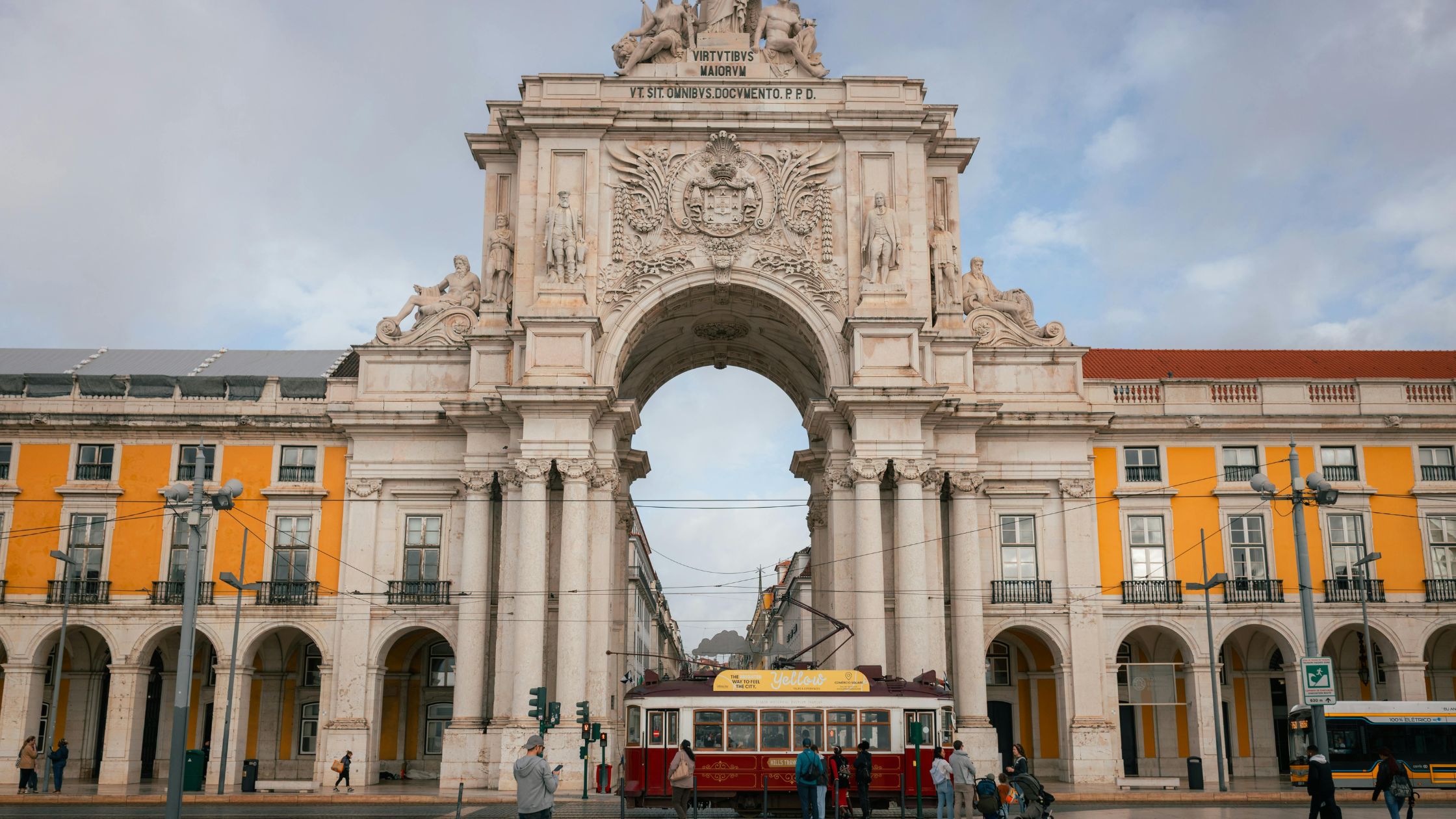
USA (New England) — The World's Most Famous Foliage
The New England fall foliage season (late September to mid-October, depending on latitude and elevation) is a genuine bucket-list natural event. The reason it's so spectacular is a specific mix of tree species — sugar maples especially — and the region's climate, producing a density of red, orange, and gold you rarely see elsewhere.
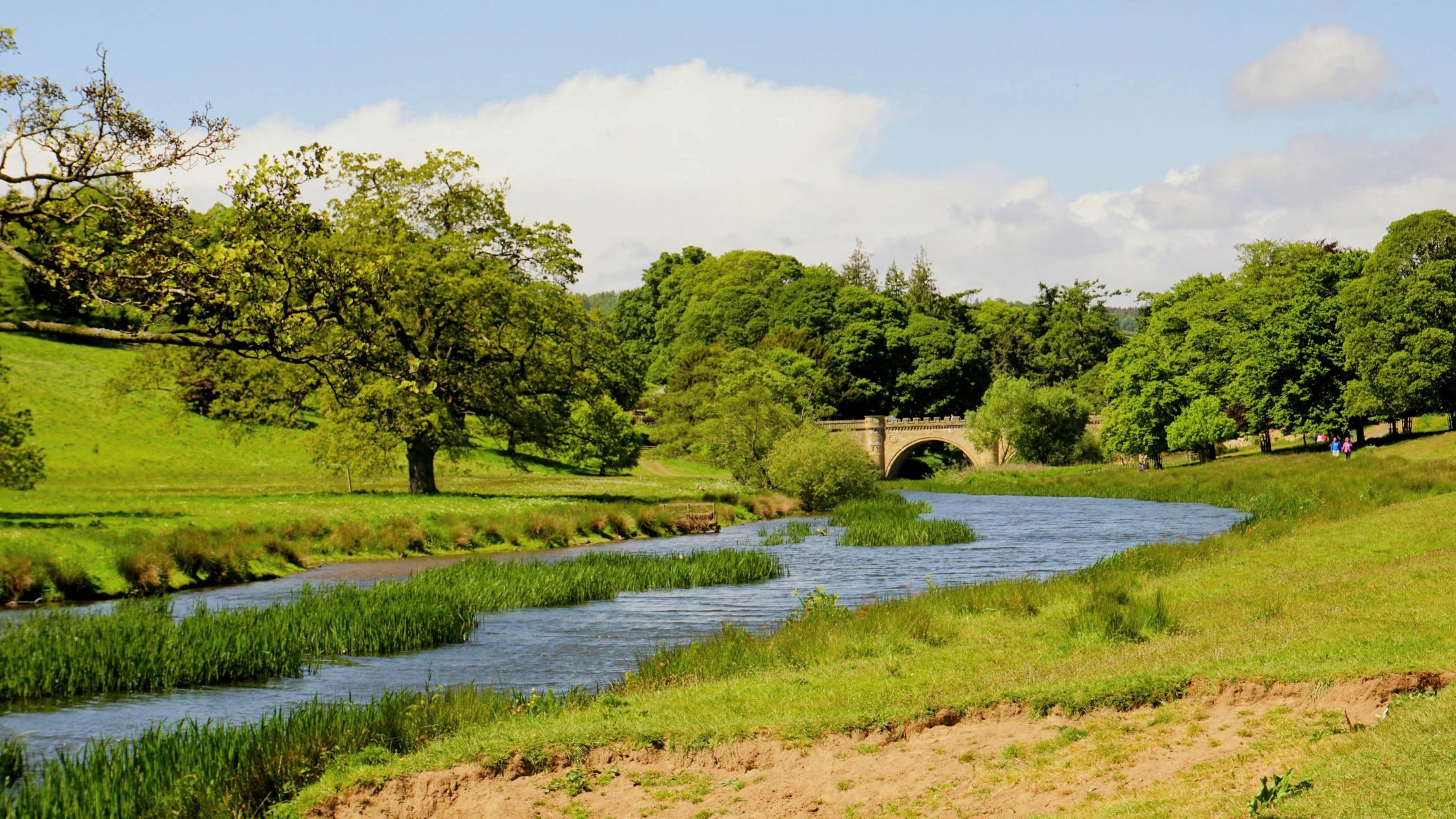
Best Countries to Visit in Winter (December–February)
Winter splits travelers into two camps, and the season serves both brilliantly — you just have to know which one you're in. Camp one wants snow: skiing, Northern Lights, cozy fireside villages. Camp two wants to escape the cold entirely for guaranteed tropical sun. The mistake is going somewhere that's stuck in between — neither reliably warm nor properly wintery.
Switzerland — The Snow-Country Benchmark
Switzerland in winter is about world-class skiing, fairy-tale villages like Zermatt and Grindelwald, and some of the planet's most scenic train journeys through snow-blanketed valleys. The infrastructure is flawless, which is the real why: you get deep-winter beauty with total reliability and comfort.
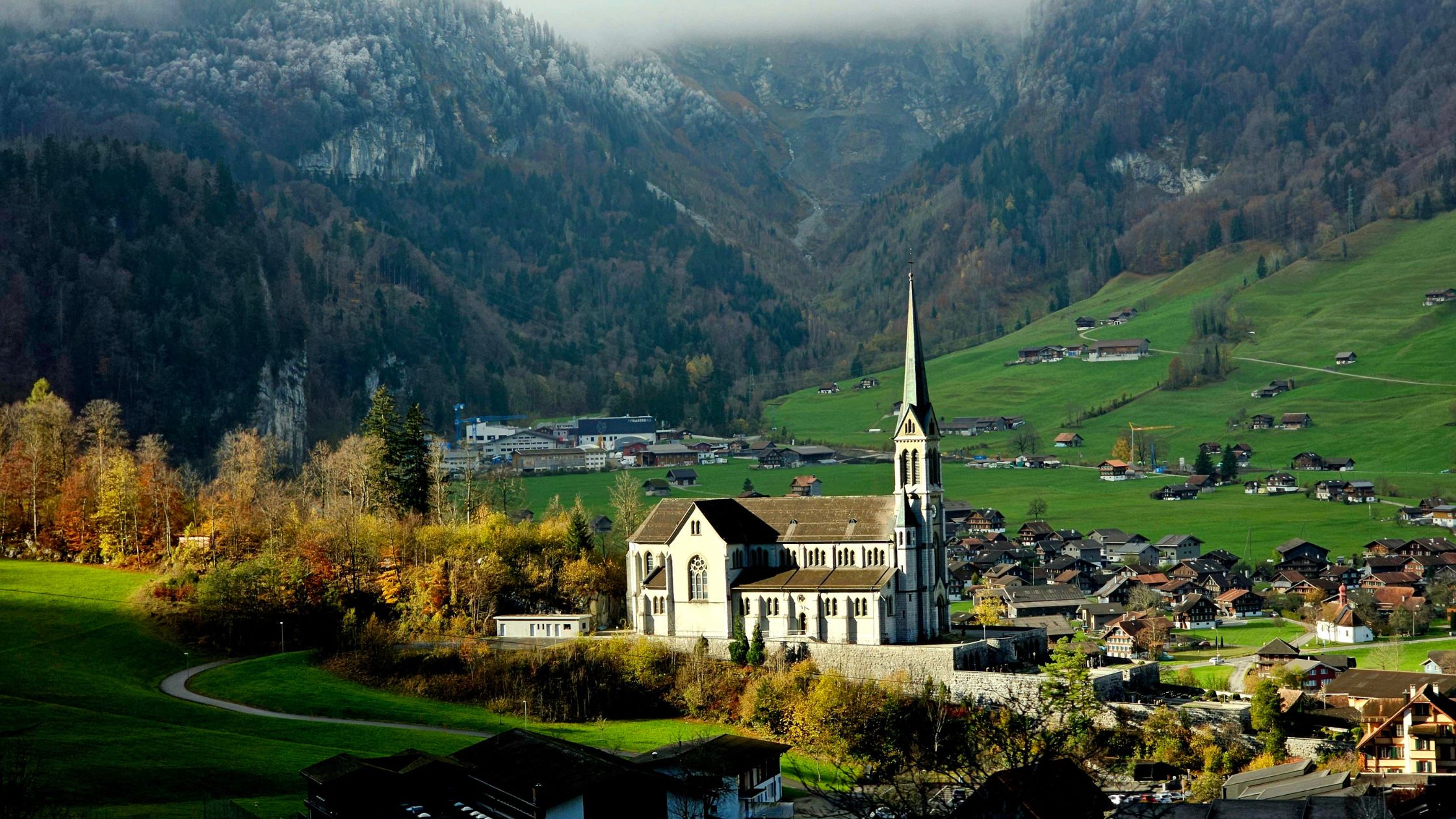
Thailand — Peak Dry-Season Sun
For the escape camp, Thailand's winter (roughly November to February) is its dry season — the best beach weather of the entire year, with sunny skies, low humidity, and calm seas. This is precisely when you want to be on the islands, and precisely when Northern Europeans and North Americans are fleeing the cold, so book ahead.
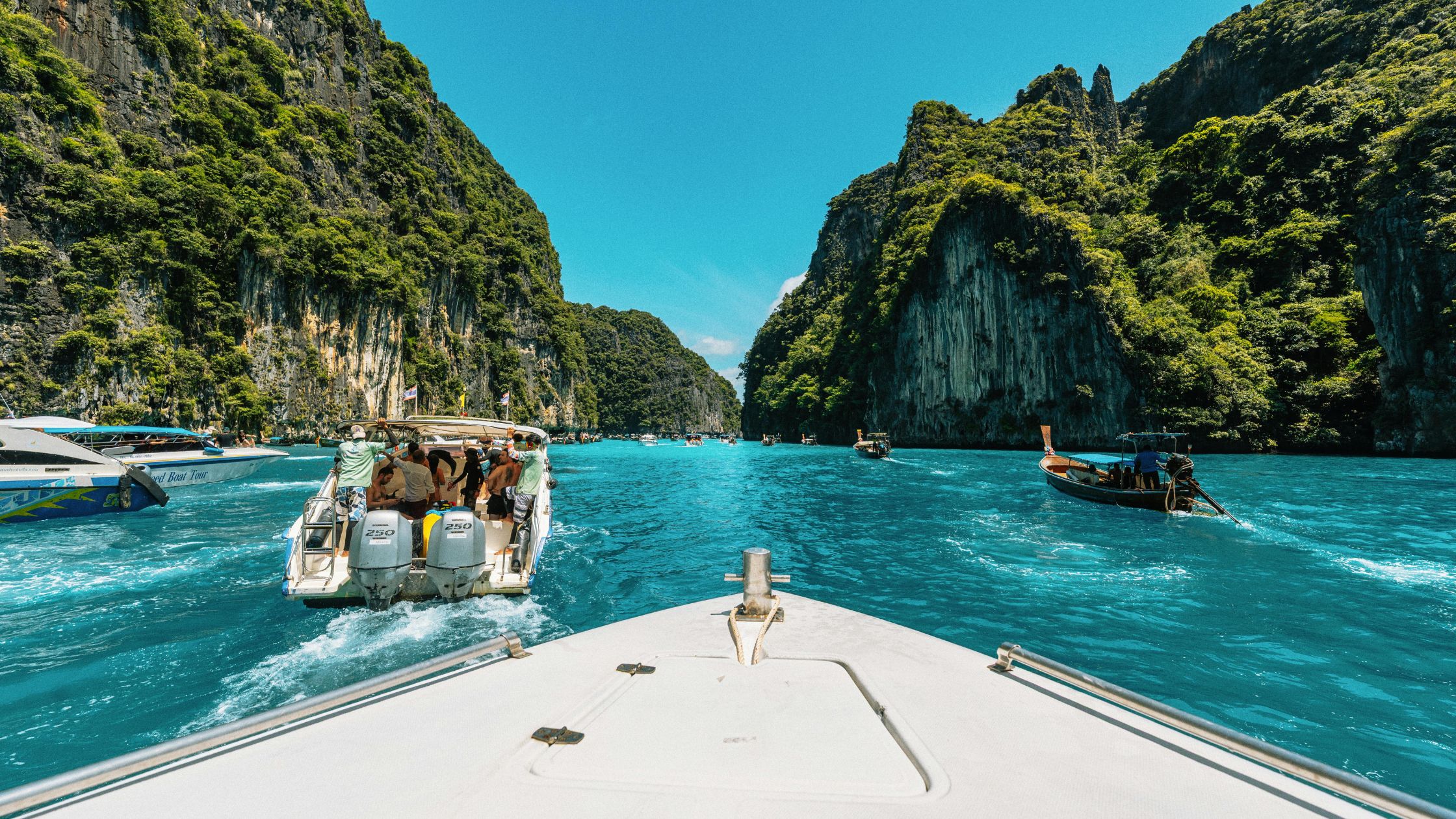
Finland (Lapland) — The Northern Lights Window
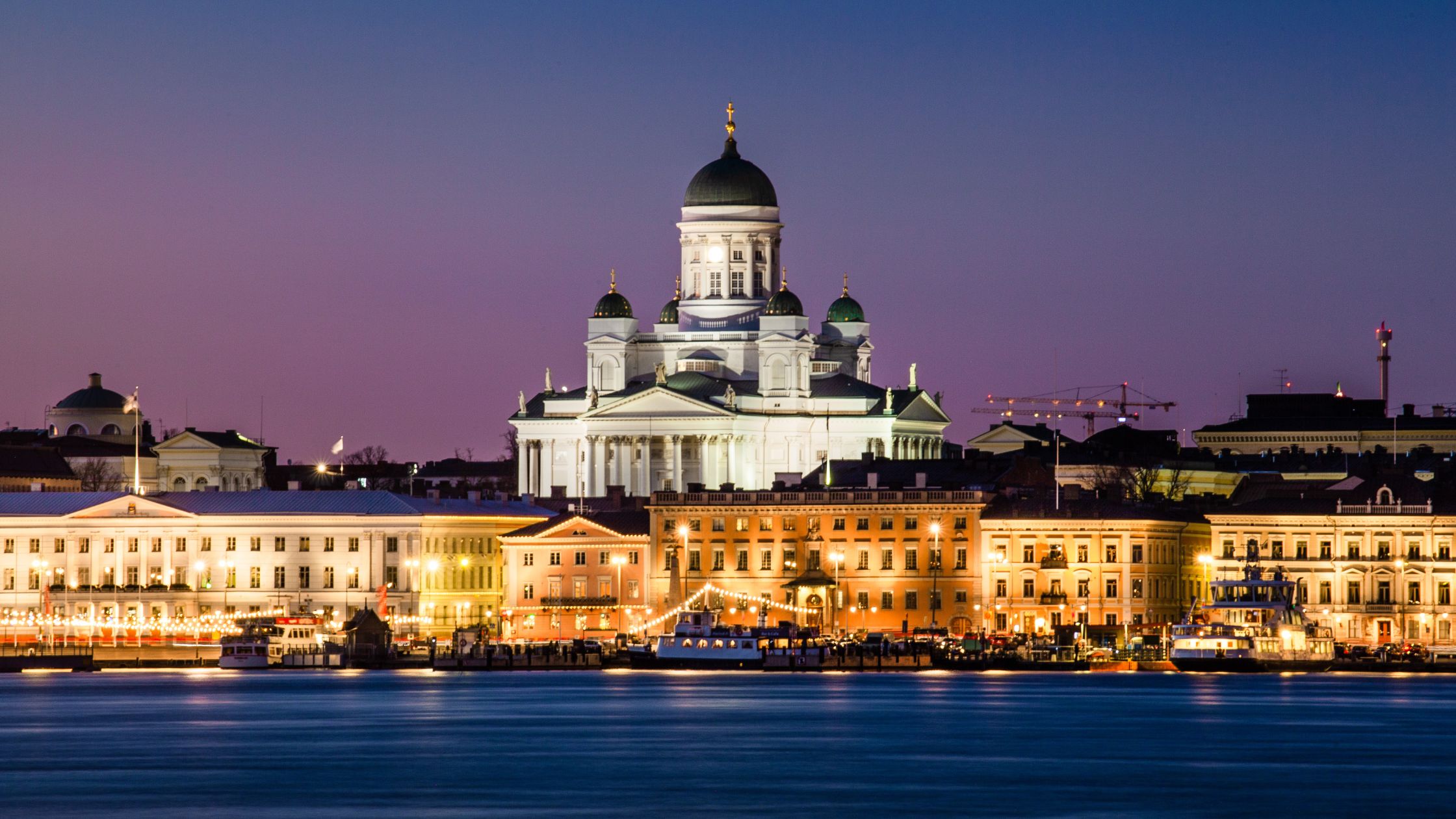
Lapland delivers the full Arctic-winter fantasy: aurora borealis, husky sledding, glass igloos, and Santa's official home in Rovaniemi. Winter is the only time you get the long, dark nights required to see the Northern Lights and the snow that makes the landscape magical.
UAE (Dubai) — Warm Without the Extreme Heat
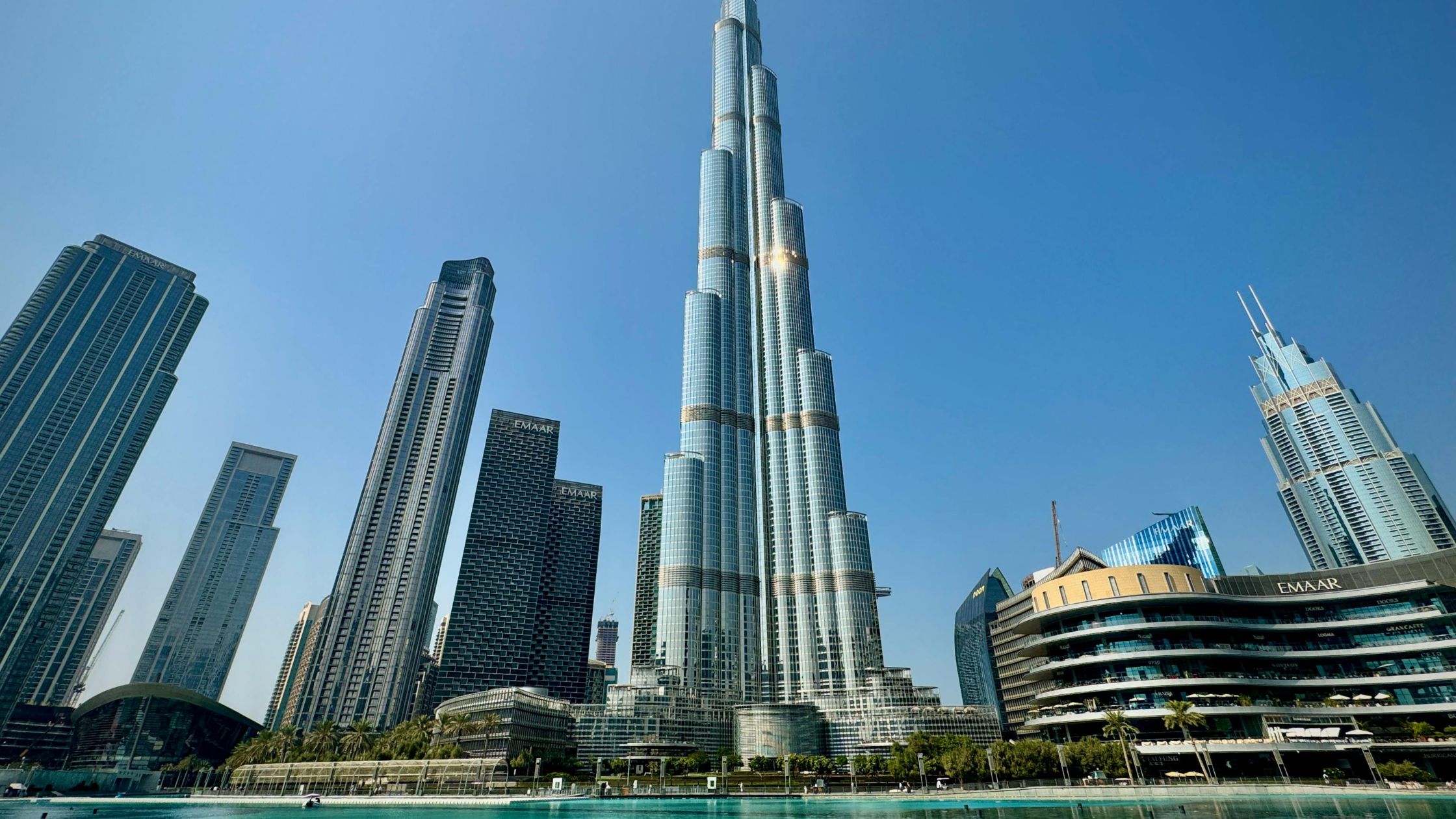
Dubai in winter is comfortable — think pleasant mid-20s°C — making it the ideal time for desert safaris, beaches, and outdoor city exploring. In summer the same city is dangerously hot (often 45°C+), so winter is genuinely the only sensible time to visit for outdoor activity.
How to Actually Choose the Best Season for Your Trip
Now that you understand the why behind each season, here's the decision framework that ties it together.
Step 1 — Name your top priority. Are you optimizing for weather, price, low crowds, or a specific once-a-year event? You usually can't max out all four, so pick the one that matters most for this trip.
Step 2 — Consider shoulder seasons first. For most people, most of the time, the shoulder seasons (spring and autumn) are the correct answer. You get 80–90% of the peak-season experience for a fraction of the price and crowds. This is the single most valuable habit a traveler can build.
Step 3 — Respect the hemisphere flip. "Summer" in Europe is "winter" in New Zealand, Argentina, and southern Africa. When it's freezing in London, it's beach season in Sydney. This flip is a gift — it means somewhere in the world is always in its best season.
Step 4 — Lock in event-driven trips early. If your trip is the event — cherry blossoms, the Great Migration, Northern Lights, a specific festival — the season chooses you, and you should book six-plus months out because everyone else wants the same narrow window.
Step 5 — Check the regional micro-climate, not just the country. Countries are big. Northern Japan and southern Japan bloom weeks apart. Southern Thailand's two coasts have opposite rainy seasons. Always drill down to the specific region and month.
Frequently Asked Questions
What is the best country to visit in every season? Japan is the rare four-season destination that delivers a world-class experience year-round — cherry blossoms in spring, festivals and mountains in summer, foliage in autumn, and snow onsen in winter. Beyond a single country, the smarter approach is to match each season to its strongest destination: Italy in summer, Peru in autumn, Switzerland or Thailand in winter.
When is the cheapest time of year to travel? The shoulder seasons — roughly April to May and September to October in the Northern Hemisphere — offer the best value, because you're traveling just before or after peak demand. Deep off-season (excluding holidays) is cheaper still, but you trade away weather and daylight.
Which season is best for first-time international travelers? Spring and autumn are the safest bets almost everywhere: mild weather, manageable crowds, and reasonable prices, with fewer of the extremes that can derail a first big trip.
How far in advance should I book seasonal trips? For event-driven or peak-season travel (cherry blossoms, summer in Italy, ski season), book three to six months ahead. For flexible shoulder-season trips, one to three months is usually fine.
Final Thoughts
Travel stops being a gamble the moment you plan around the calendar instead of against it. Once you internalize why each season suits certain places — the weather, the crowds, the prices, and the once-a-year moments — you can point almost any set of dates toward a genuinely great trip. Bookmark this guide to the best countries to visit in every season, start with your top priority, lean on the shoulder seasons, and let the time of year lead you to your next unforgettable destination.